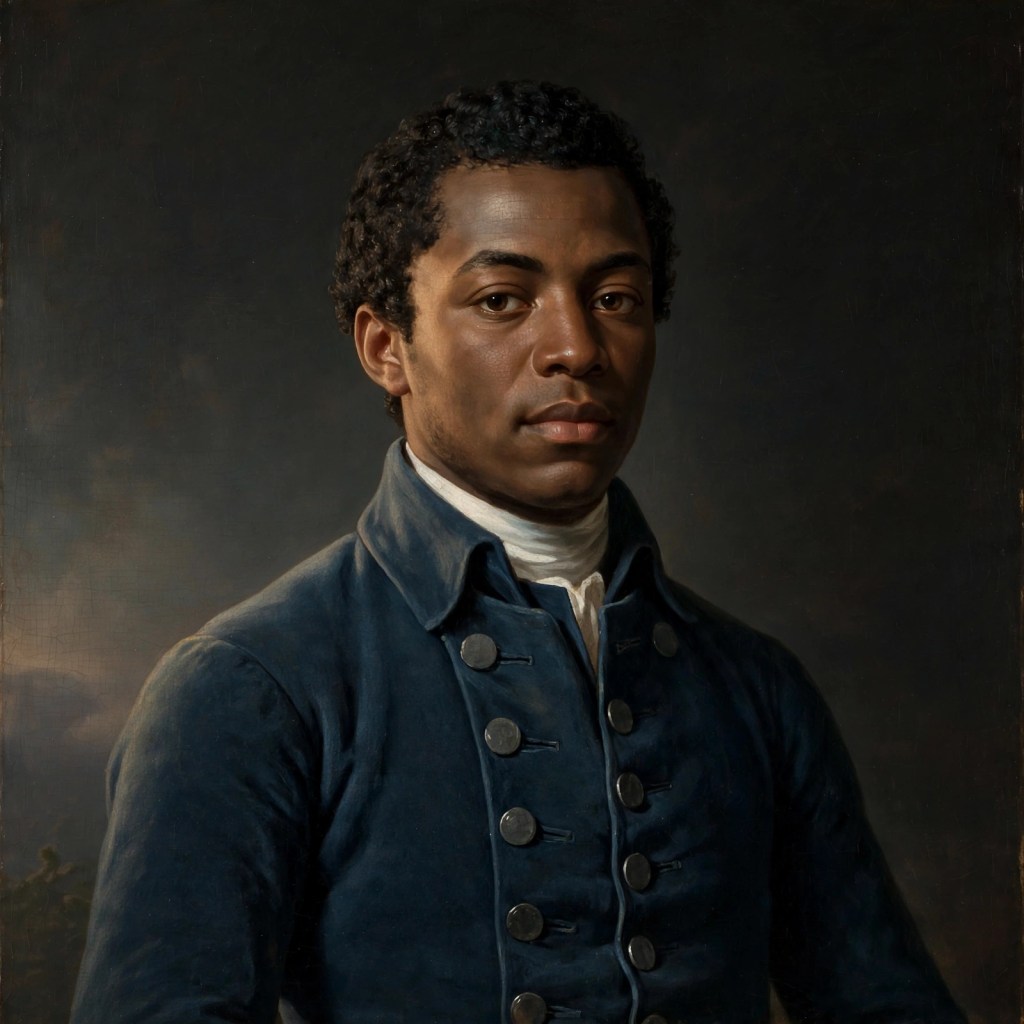
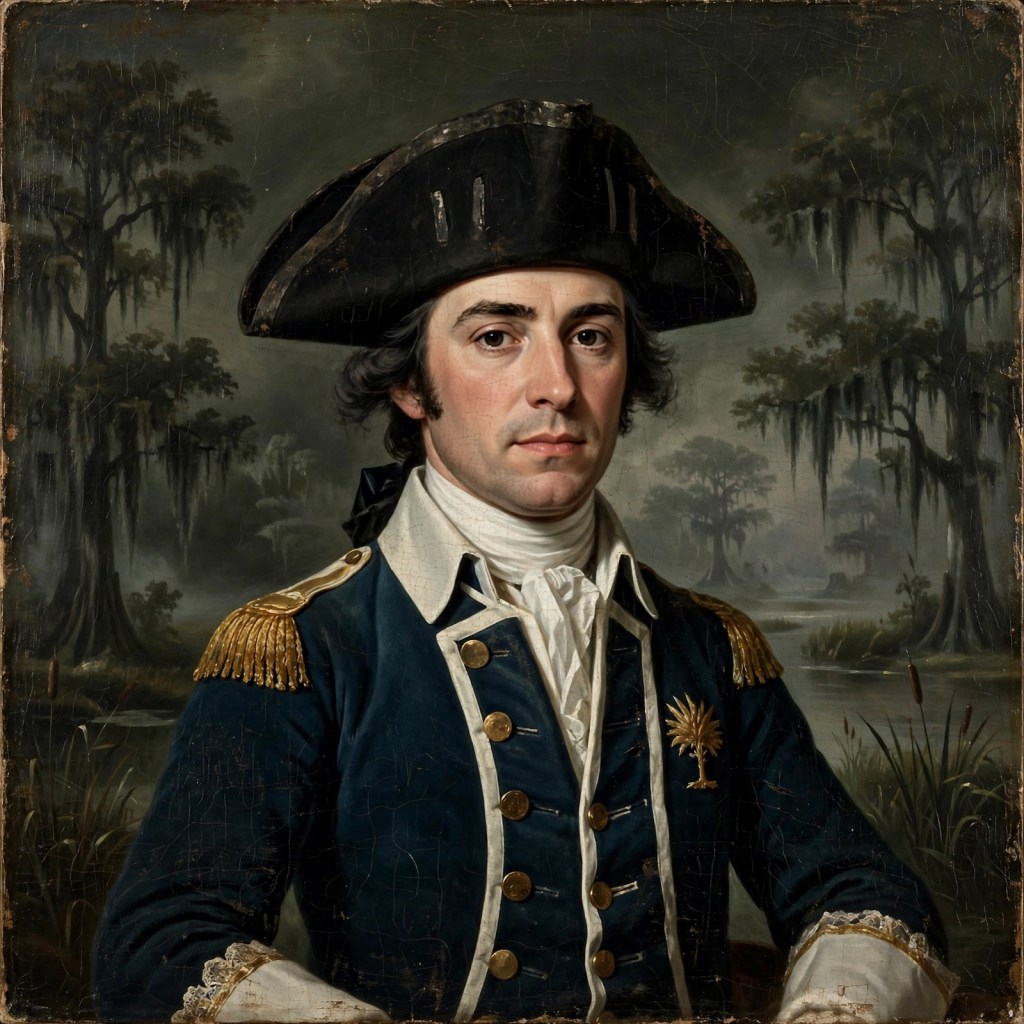
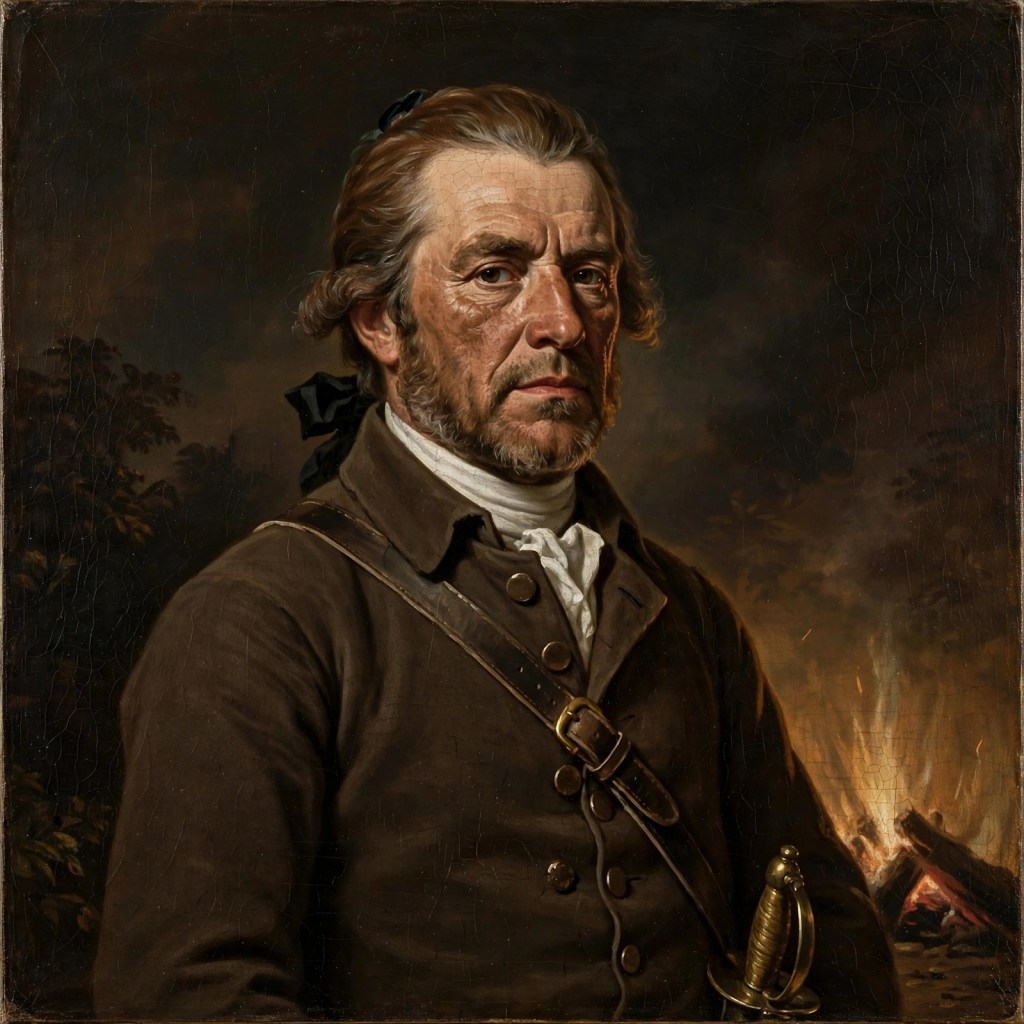
Edward “Ned” Griffin — born c. 1765 in Edgecombe County, enslaved; died c. 1802. 🇺🇸
William Kitchin bought Ned and put him in the Continental Army as his substitute, promising freedom. Ned fought honorably at Guilford Courthouse and served out the war — then Kitchin broke his word and sold him back into slavery. Ned petitioned the courts. In 1784 the NC General Assembly declared him “forever delivered and discharged from the yoke of slavery” for his “meritorious services.” He bought his freedom with his blood — then had to fight for it twice.
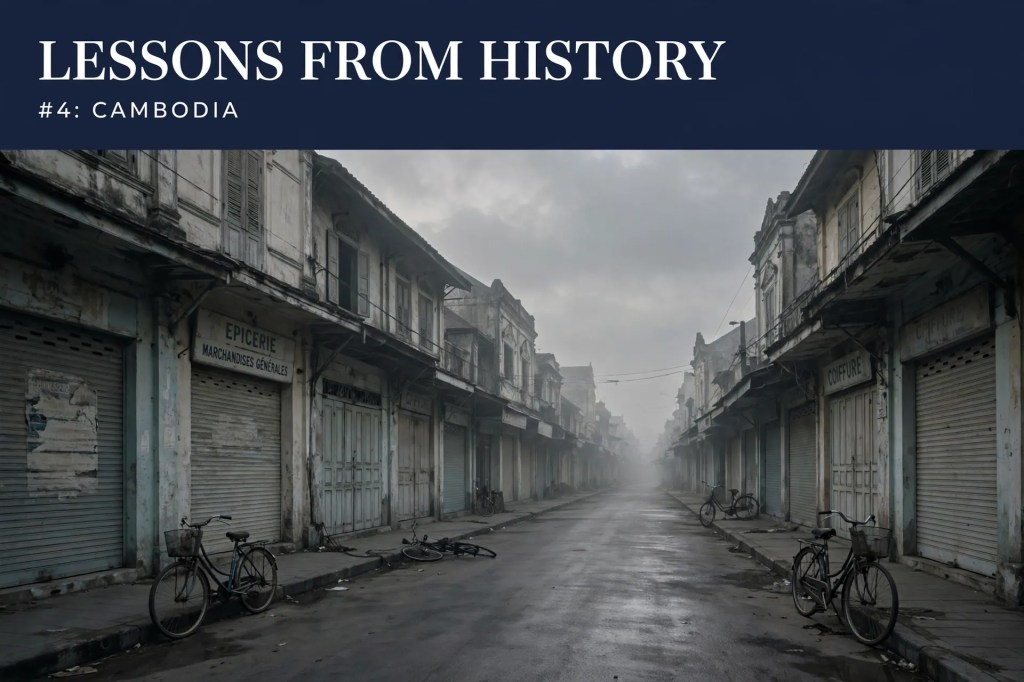
THE SHORT VERSION: In 1975, Cambodia’s communists emptied the cities and tried to build a perfect agrarian society from Year Zero. In under four years, roughly a quarter of the country’s people were dead — starved, worked to death, or executed.
NOW THE FULL STORY:
When the Khmer Rouge, led by Pol Pot, took Phnom Penh on April 17, 1975, they did not celebrate in the capital — they emptied it. Within days, millions of city residents were marched into the countryside at gunpoint, told it was temporary. It was not. Money, schools, hospitals, temples, and private property were abolished. The regime called it Year Zero: history would start over, and Cambodia would be remade as a nation of peasants.
Everyone was put to work in the fields, often for 12 hours or more a day, on starvation rations. People who wore glasses, spoke a foreign language, or had been teachers, doctors, or officials were suspect — the regime treated education itself as evidence of disloyalty. Suspects were taken to prisons like Tuol Sleng, known as S-21, where thousands were tortured into confessions and then trucked to the killing fields outside the city.
The death toll is commonly estimated at roughly 1.7 to 2 million people between 1975 and 1979 — from execution, starvation, disease, and overwork. That was about a quarter of Cambodia’s population, wiped out by its own government in less than four years. The regime fell only when Vietnam invaded in early 1979 and drove the Khmer Rouge from power.
THE LESSON: Plymouth starved a colony. The Soviet Union starved nations. Mao starved tens of millions. Cambodia shows what happens when the idea is taken to its logical end, with no brakes at all: a government that decides an entire class of people — city dwellers, the educated, anyone who remembers the old world — must simply disappear. The warning is not that communism fails slowly. It is that, given total power, it can fail catastrophically fast.
Tomorrow: the two Germanys — the same people, the same language, divided by a wall, with two very different results.
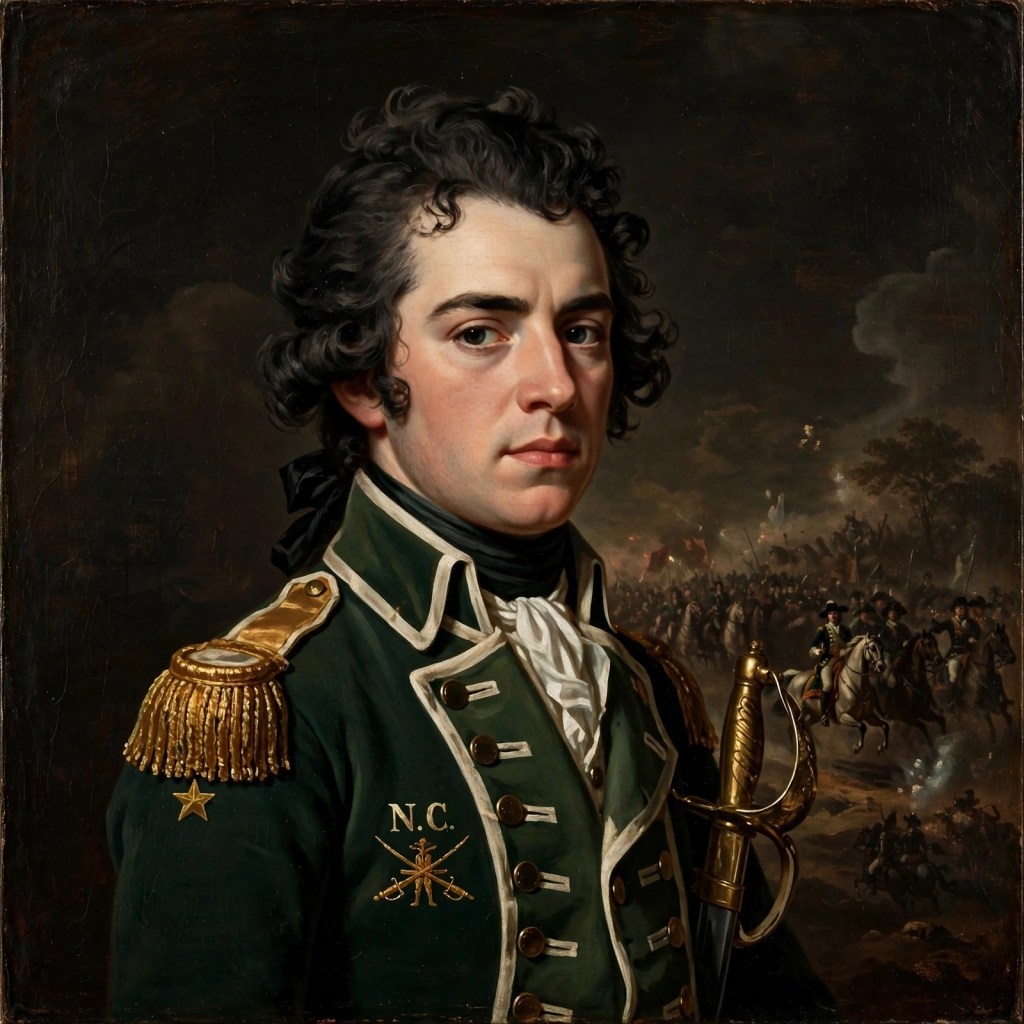
Joseph Graham — born c. 1759 in Chester County, Pennsylvania; died Nov 12, 1836 in Lincoln County, NC. 🇺🇸
He enlisted as a private and rose to command the Mecklenburg dragoons, fighting in 15 engagements from 1778 to 1781. At Raft Swamp, his horsemen plunged straight through the swamp the Tories thought impassable and rode them down on the causeway. His gravestone reads: “He was a brave, intelligent, and distinguished officer in the Revolutionary War.” Graham Street in Charlotte bears his name. He was an ancestor of Billy Graham.
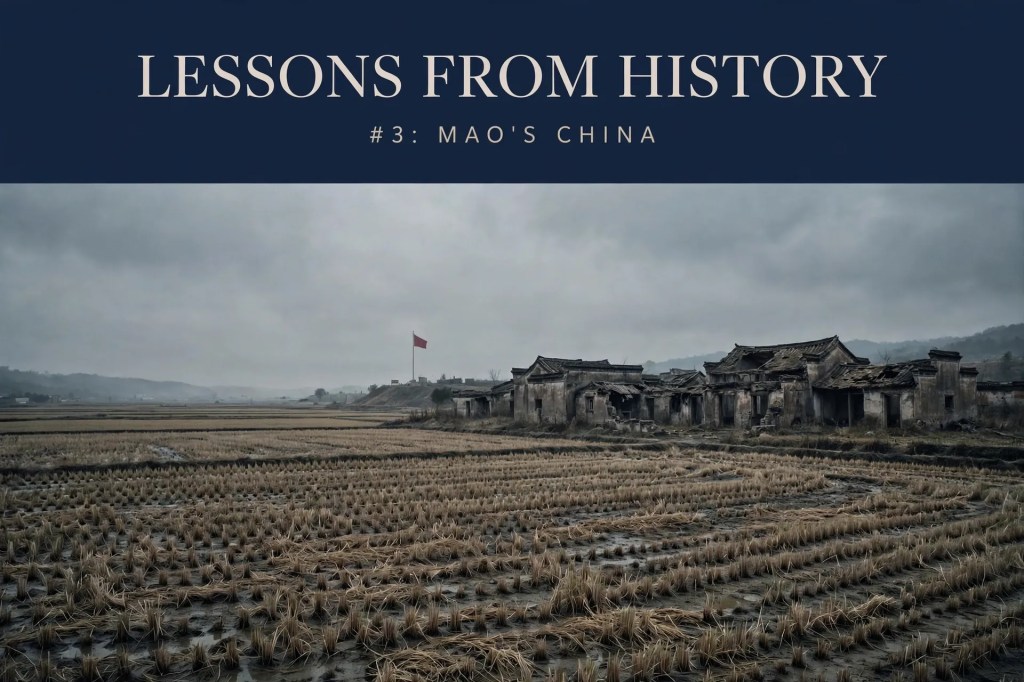
THE SHORT VERSION: In 1949, Mao Zedong promised China a communist paradise. What followed was the deadliest experiment in history — tens of millions starved, and a culture torn apart by a decade of purges.
NOW THE FULL STORY:
When Mao’s communists took China in 1949, they promised land and plenty. Instead, the state took the land. Peasants who resisted were branded landlords and killed — hundreds of thousands in the early 1950s alone.
Then came the Great Leap Forward in 1958. Mao ordered farms collectivized and ordered peasants to smelt steel in backyard furnaces, melting down tools and cooking pots for useless pig iron. Officials, terrified of reporting failure, claimed record harvests while granaries emptied. The state kept exporting grain. The result was the largest famine in recorded history: an estimated 15 to 45 million people starved between 1959 and 1962, most of them peasants.
Mao never faced a vote, a free press, or an opposition that could stop him. So he did it again. The Cultural Revolution, launched in 1966, turned students into Red Guards who humiliated teachers, smashed temples and books, and denounced their own parents. Millions were persecuted; an estimated 1 to 2 million died, and a generation’s education was lost.
By Mao’s death in 1976, China was poorer, per person, than it had been in some earlier decades — and only after his successors quietly allowed markets back did China’s economy take off.
THE LESSON: Plymouth failed on 100 people. The Soviet Union failed on 200 million. Mao tried it on 600 million, and the body count dwarfed both. The pattern holds at every scale: when the state owns everything and no one can say no, the people pay — in hunger, in freedom, and in lives.
Tomorrow: Cambodia — the experiment taken to its logical end.
Peter Horry — born March 12, 1743 in Georgetown, SC; died Feb 28, 1815 in Columbia, SC. 🇺🇸
A Huguenot’s son who stood with Marion at Sullivan’s Island in 1776, then became the Swamp Fox’s most trusted officer — his second-in-command through Black Mingo, Quinby Bridge, and the whole Lowcountry partisan war. When Marion went to the legislature, Horry held the brigade together. After the war he wrote the brigade’s history — then publicly disowned the book when the editor turned it into fiction. He guarded the truth the way he’d guarded the cause.
THE SHORT VERSION: In 1917, Russia’s communists promised workers a paradise. What they built was 74 years of famine, terror, and economic ruin — ending in 1991 with the whole experiment collapsing under its own weight.
NOW THE FULL STORY:
When the Bolsheviks seized power in 1917, Lenin promised “peace, land, and bread.” The land went to the state, not the peasants. By 1922 the Soviet Union was born — the first nation built on the idea that the government should own everything.
Then came Joseph Stalin. In 1928 he launched forced collectivization: millions of family farms were seized and merged into state-run collectives. Resisters — branded “kulaks” — were shot, deported, or starved. When Ukraine’s peasants resisted, Stalin sealed the region and confiscated the grain. The 1932–33 Holodomor starved an estimated 3.5 to 5 million Ukrainians while the state exported grain abroad. Across the USSR, the collectivization famines killed roughly 5 to 7 million people.
Stalin’s Five-Year Plans forced breakneck industrialization — enforced by the secret police. The Great Purge of 1936–38 executed some 700,000 people, many for nothing. Millions more went to the Gulag, where around 1.6 million died of cold, hunger, and overwork. The total death toll of Soviet communism is commonly estimated at about 20 million.
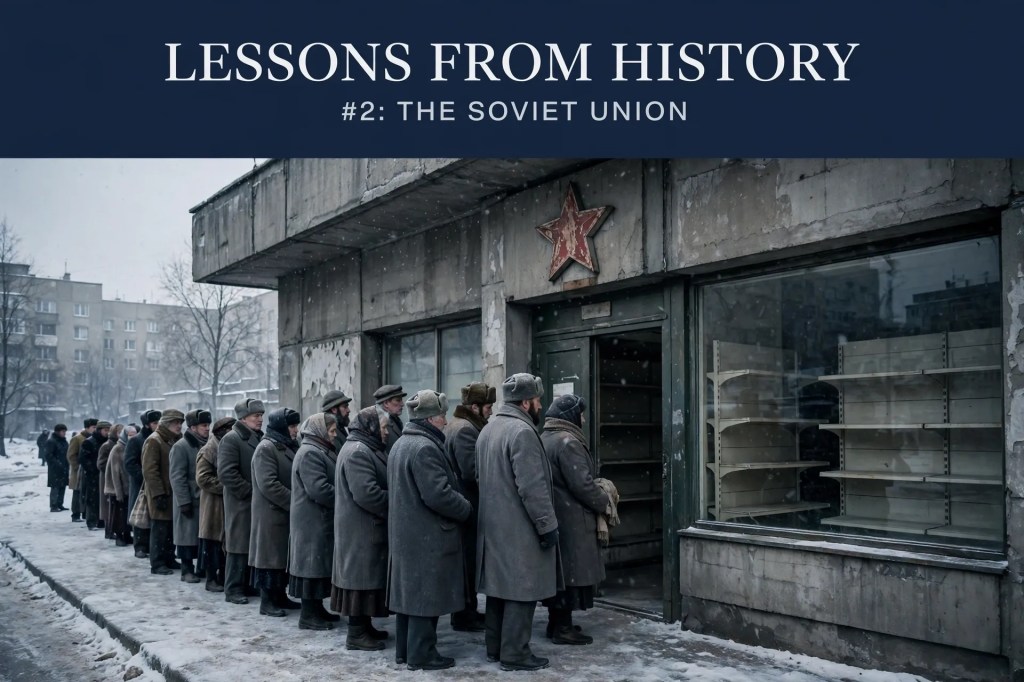
And the economy? Without prices or private ownership, planners in Moscow set quotas for some 24 million products — and got it wrong constantly. By the 1980s the USSR’s per-person output was roughly a third of America’s, shelves sat empty, and citizens stood in breadlines. In December 1991, the Soviet Union dissolved itself. The experiment was over.
THE LESSON: The Soviet Union wasn’t a betrayal of communism — it was communism at full scale, with total power and no opposition. The result was the largest peacetime death toll in human history and an economy that couldn’t feed its own people. Scale didn’t fix the idea. It magnified the failure.
Tomorrow: Mao’s China — tried on 600 million people, with an even higher death toll.
William Richardson Davie — born June 1756 in Egremont, England; died Nov 29, 1820 in Chester County, SC. 🇺🇸
At Stono Ferry in 1779 he led a cavalry charge, took a musket ball in the thigh, fell from his horse, and barely escaped capture — convalescing, he was presented a sword for “exemplary conduct and courage.” A year later at Hanging Rock he smashed a Tory regiment and captured 60 horses without losing a man. At Charlotte, 150 of his militia held off Cornwallis’s 2,500. After the war he founded the University of North Carolina.#America250 #HeroesOfOurCoast #RevolutionaryWar #NCHistory #UNC #CarolinaAfterDeadline
THE SHORT VERSION: The Pilgrims tried communal farming for two years and nearly starved. Then they gave every family their own plot of land — and harvests soared. America’s first economic experiment ended in 1623, and it failed.
NOW THE FULL STORY:
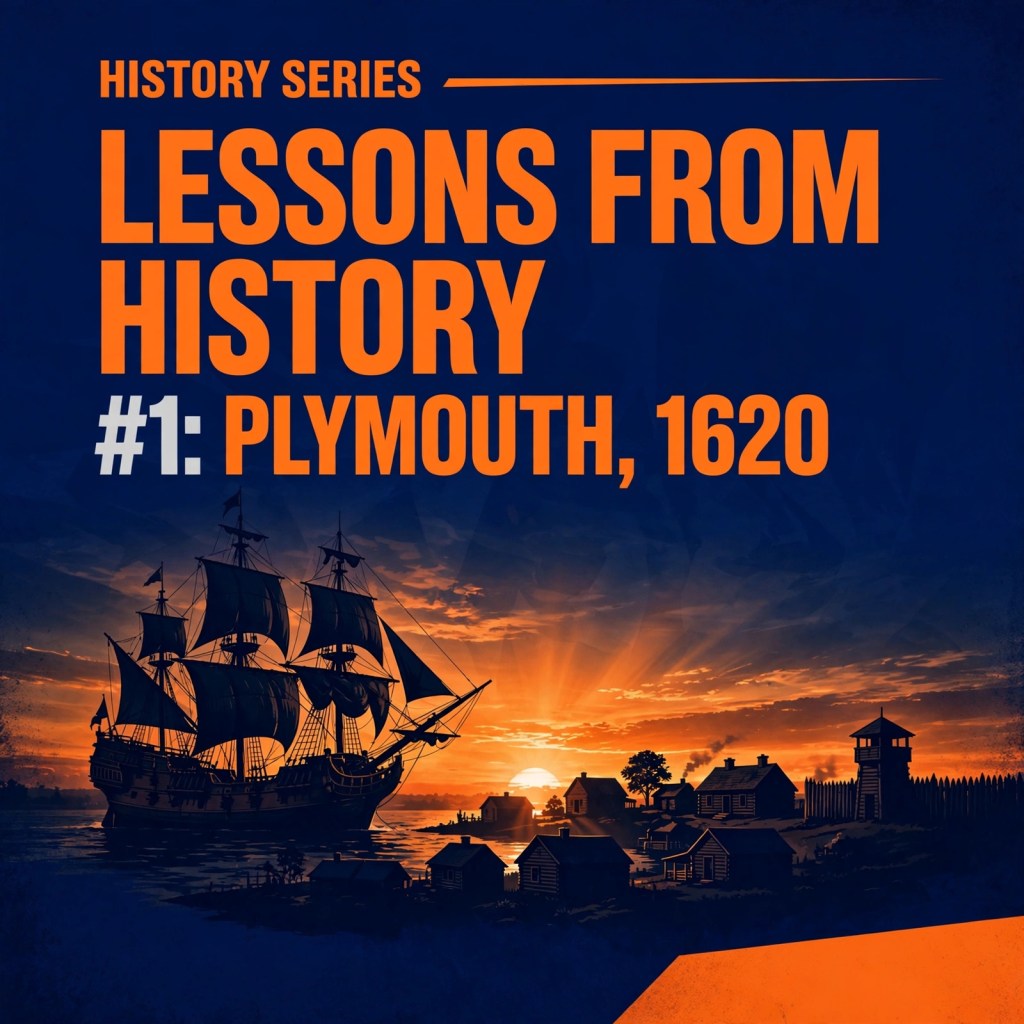
When the Mayflower’s 102 passengers finally came ashore in December 1620, they’d already buried half their company at sea or in the first brutal winter. What most of us were never taught is that the colony came within a whisker of failing entirely — and it wasn’t the weather or the wilderness that nearly killed them. It was the system.
The Pilgrims were financed by London investors called the Merchant Adventurers, and the deal required everything the colonists produced — crops, fish, furs, timber — to go into a common storehouse for seven years. Every family worked the common fields, and everyone drew equal shares from the common store, whether they’d worked hard or hardly worked at all.
Governor William Bradford wrote about it plainly in Of Plymouth Plantation. He said the arrangement ‘sowed much confusion and discontent’ — the strong young men resented getting no more than the weak, and families with many mouths but few workers did fine while those who worked hardest got nothing extra. People started showing up late, doing the minimum, and letting others carry the load. Crops came in thin. In the summer of 1622 the colony went through another starving time.
So in the spring of 1623, Bradford did something radical: he ended the experiment. He ‘assigned to every family a parcel of land, according to the proportion of their number,’ for them to farm as their own. His own words: ‘This had very good success, for it made all hands very industrious.’
The change was immediate and dramatic. That year’s harvest was the best they’d ever had — so good that the colony began exporting corn. The lesson wasn’t complicated: when a family kept what it grew, everybody worked harder, planted more, and wasted less. When everything went into the common pot, nobody’s effort mattered and everybody coasted.
The investors’ seven-year compact ran its course in 1627, the colonists bought out the company’s shares, and Plymouth endured.
THE LESSON: The Pilgrims weren’t greedy capitalists — they were devout people trying to build a godly community, and they chose communal ownership with the best of intentions. It still failed. Rewarding work works. Pooling everything and dividing it equally doesn’t. America learned this in 1623, before America existed.
Tomorrow: the Soviet Union — what happens when the experiment is tried on 200 million people instead of 100.
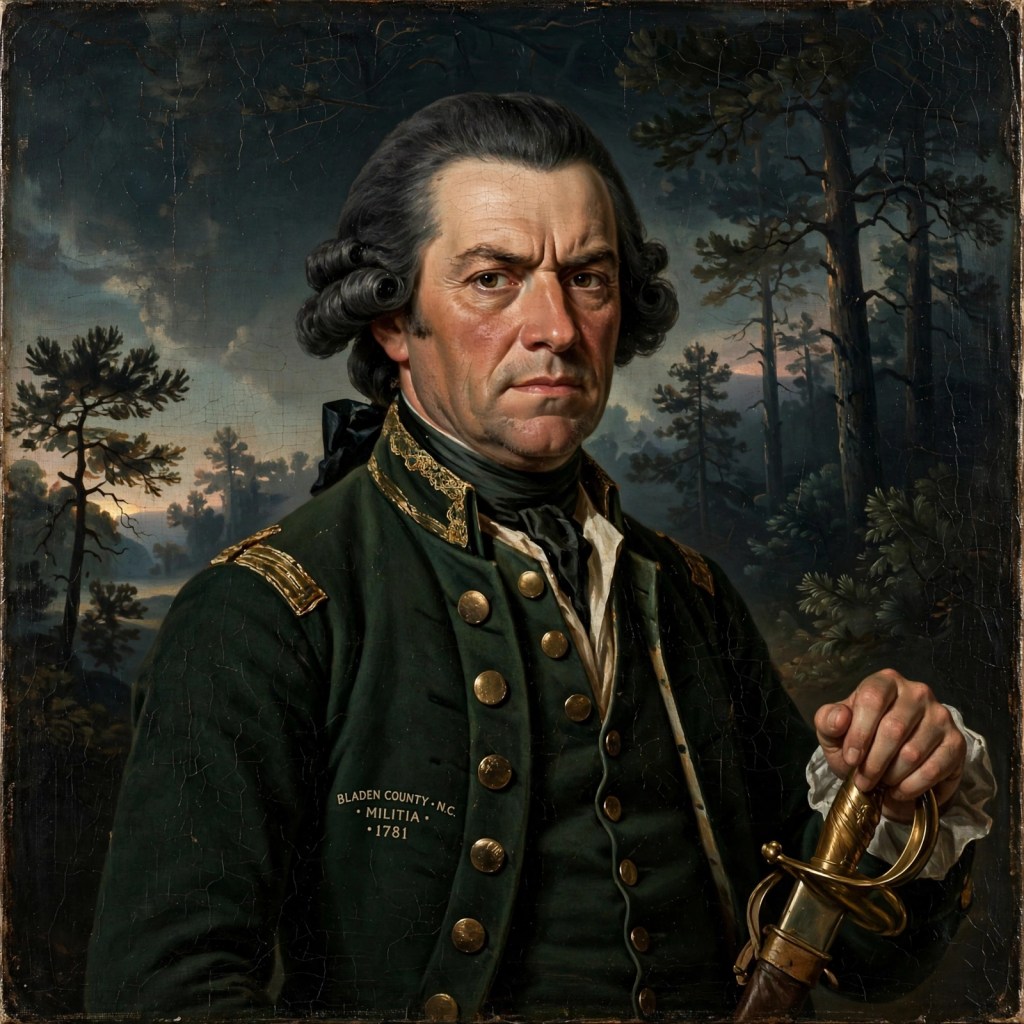
Thomas Owen — born 1735 in Chester County, Pennsylvania; died 1806 in North Carolina. 🇺🇸
A Bladen County farmer who “earned a reputation for bravery” at Camden, where the American army was shattered around him. In 1781 the Tories sacked his home and drove his family out — he operated from Duplin County, then came back to lead one of the three assault columns at Tory Hole, routing 300 Tories before dawn. He fought at Raft Swamp and was there when Wilmington was evacuated. “As brave a soldier as ever wore a sword,” a contemporary wrote.
Thomas Robeson — born Jan 11, 1740 at Walnut Grove, Bladen County; died May 2, 1785 at Tar Heel, NC. 🇺🇸
Bladen’s militia colonel from 1775, he fought at Moore’s Creek Bridge, then devised the deception that won Elizabethtown — feigning retreat to the Neuse, doubling back at night, and leading one of three 23-man columns into the Tory camp before dawn. The Tories burned his home in revenge. Robeson County, carved from Bladen in 1787, bears his name. He was 45 when he died, four years after the war.