
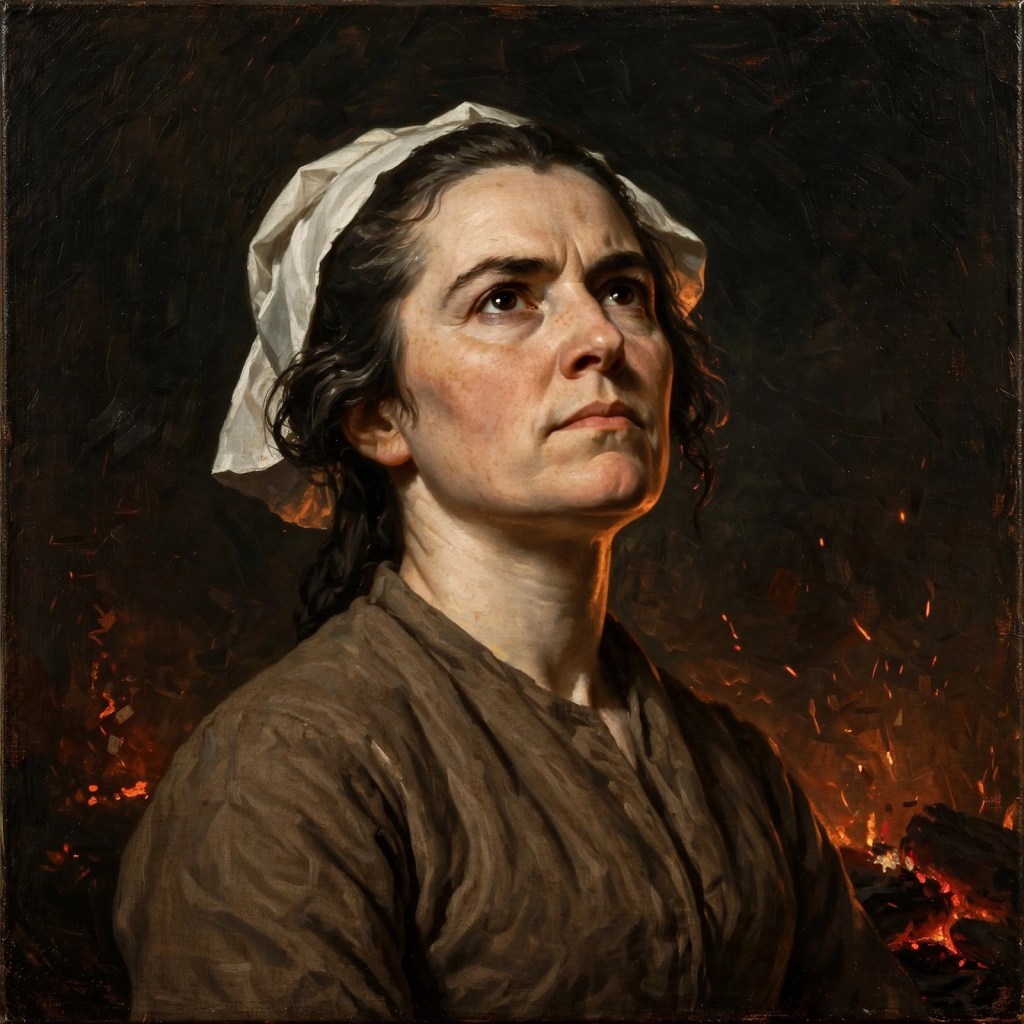
Martha Bratton — born c. 1750 in Rowan County, NC; died 1816 at Brattonsville, SC. 🇺🇸When the British came for her husband, a raider held a reaping hook to her throat and demanded where he was hiding. Her answer: “Let the consequence be what it will, I glory in having prevented the mischief contemplated by the cruel enemies of my country.” She blew up a gunpowder cache rather than let the British take it, and her intelligence — carried by an enslaved man named Watt — set up the Patriot victory at Huck’s Defeat. Then she nursed the wounded of both sides.#America250 #WomenOfTheRevolution #RevolutionaryWar #Brattonsville #SCHistory #CarolinaAfterDeadline
Category: Local History
-
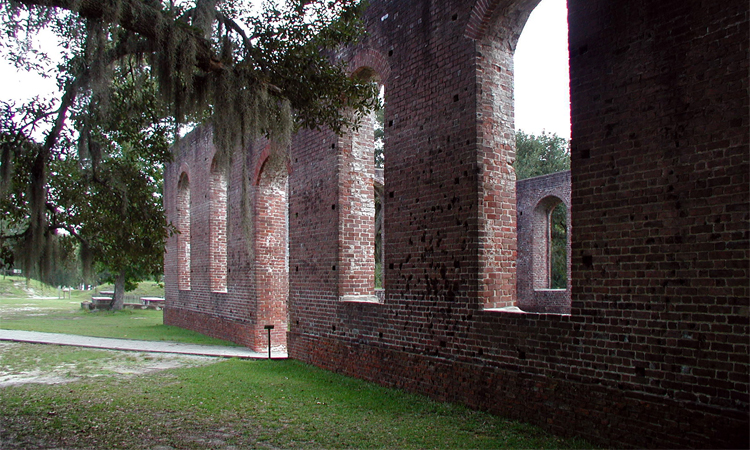
Africa to Carolina public art at Brunswick Town/Fort Anderson
🕊️ A first for North Carolina: new public art at Brunswick Town/Fort Anderson commemorating African disembarkation, by artists Stephen Hayes and David Wilson. More than 300 enslaved people arrived at Port Brunswick between 1731 and 1775. (Photo is the site’s historic ruins, not the new sculpture itself.)
-
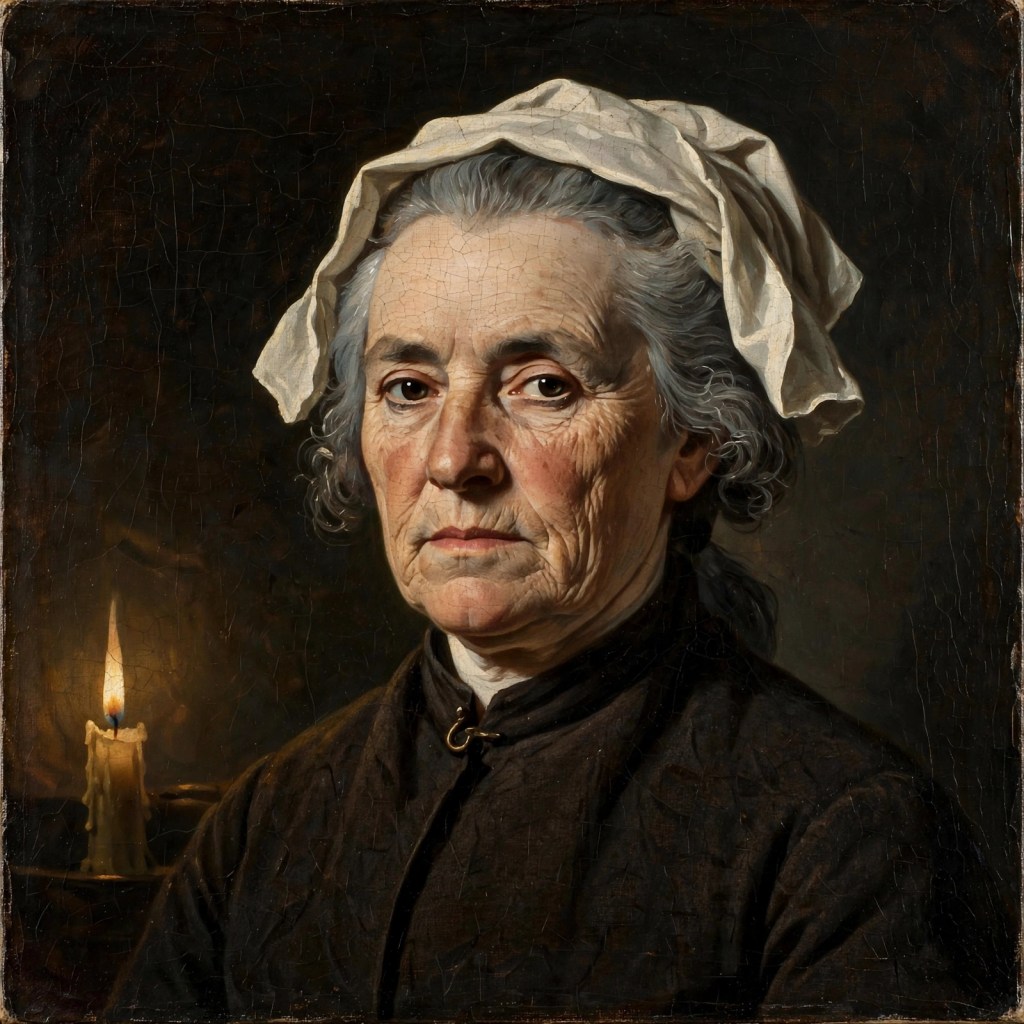
Jane Thomas
Jane Thomas — born in Chester County, Pennsylvania (exact date lost to history); died April 16, 1811 in Greenville District, SC. 🇺🇸
Visiting her imprisoned husband and sons at Ninety Six, she overheard Tory women whisper: “To-morrow night the Loyalists intend to surprise the Rebels at Cedar Spring.” Jane rode straight to her son’s Patriot camp with the warning — and on July 12, 1780, the would-be attackers walked into an ambush instead. At home she loaded muskets beside her companions until raiders withdrew. She listened. She rode. She saved them.
#America250 #WomenOfTheRevolution #RevolutionaryWar #SCHistory #CarolinaAfterDeadline
-
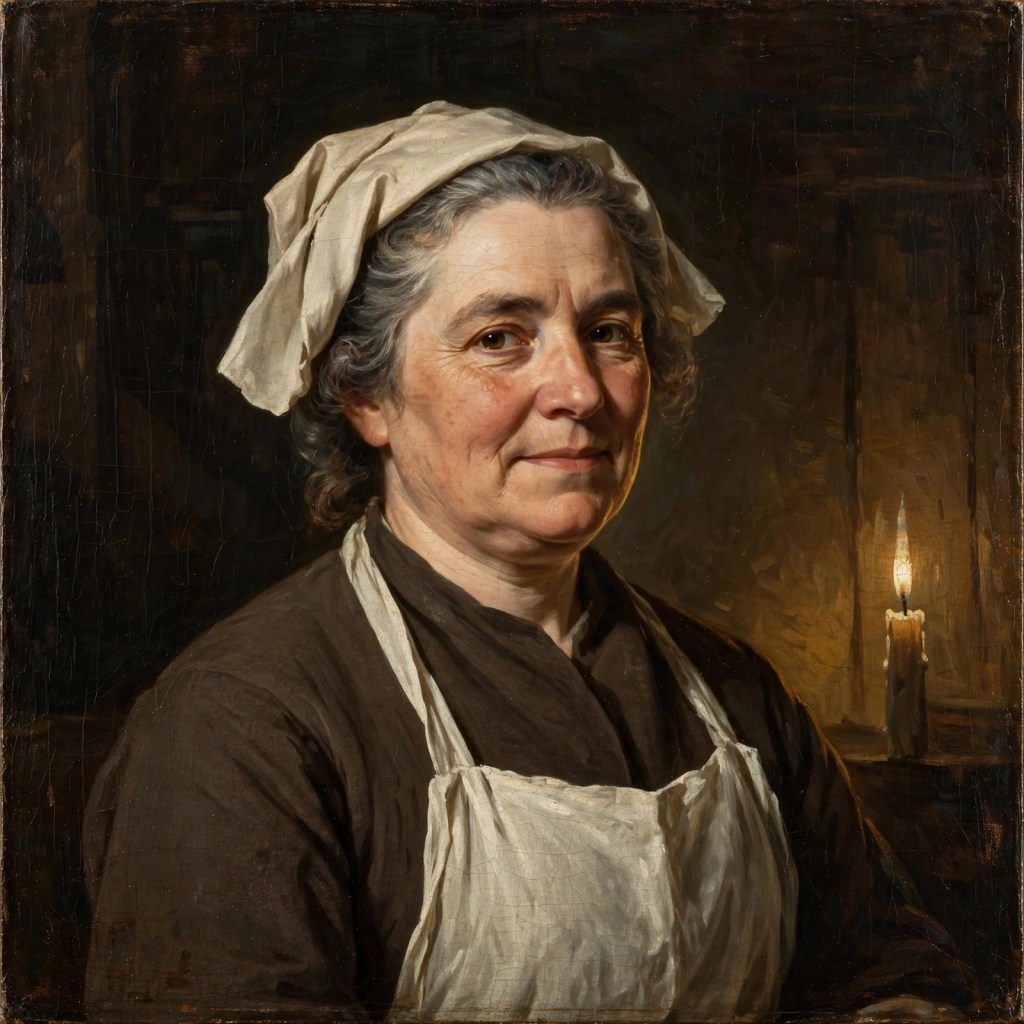
Elizabeth Maxwell Steele
Elizabeth Maxwell Steele — born 1733 (Pennsylvania or NC — disputed); died November 22, 1790 in Salisbury, NC. 🇺🇸
Legend says that when Nathanael Greene passed through Salisbury in 1781, broke and desperate, Elizabeth pressed two bags of gold into his hands. Historians can’t prove it — but the documented truth is nearly as fine: she ran Steele’s Tavern as a Patriot hub, raised a fiercely Whig family, and in 1780 wrote of “our” army and the British “enemies.” Whether or not the gold changed hands, her house and her heart were always with the cause.
#America250 #WomenOfTheRevolution #RevolutionaryWar #SalisburyNC #NCHistory #CarolinaAfterDeadline
-
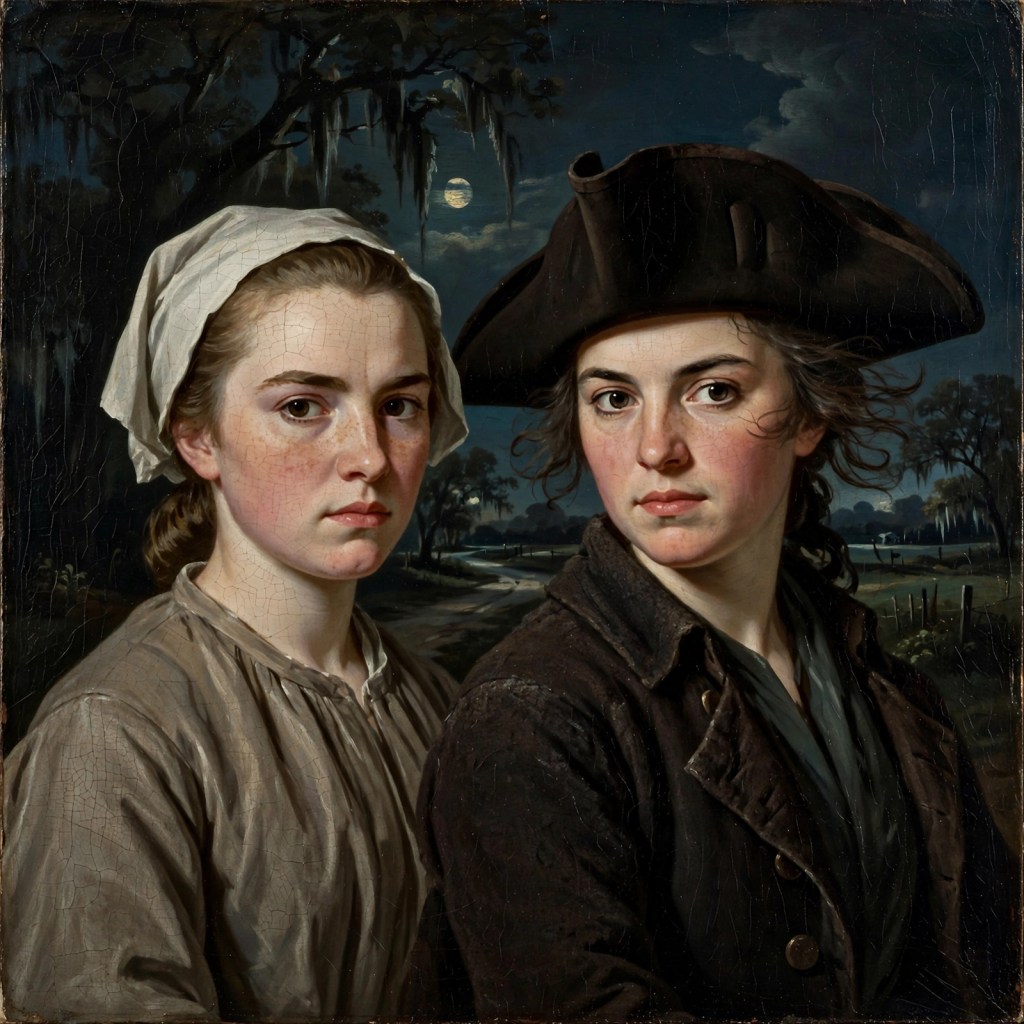
Grace and Rachel Martin
Grace Martin (1758–1820) and Rachel Martin (1763–1849) — of the Ninety-Six District, SC. 🇺🇸
Sisters-in-law, both married into the Patriot Martin family — all eight of Elizabeth Martin’s sons served. In May 1781, learning a British courier carrying dispatches would pass at night with two guards, Grace and Rachel disguised themselves in their husbands’ clothes and arms, waylaid the party at a bend in the road, and seized the papers and weapons. They forwarded the dispatches to General Greene. Two farm women, one ambush, and the British never knew what hit them.
#America250 #WomenOfTheRevolution #RevolutionaryWar #SCHistory #CarolinaAfterDeadline
-

DID YOU KNOW? North Carolina is “First in Flight” — and it all happened in 12 seconds.
DID YOU KNOW? North Carolina is “First in Flight” — and it all happened in 12 seconds.On December 17, 1903, at 10:35 a.m., Orville Wright lifted off from the base of Kill Devil Hill, near Kitty Hawk on the Outer Banks, and flew 120 feet in 12 seconds — the first powered, controlled flight of an airplane.Why Kitty Hawk? Wilbur and Orville Wright were bicycle builders from Dayton, Ohio, and they picked the Outer Banks for its steady winds, soft sand for landings, and privacy. They’d been testing gliders there since 1900. That December day they made four flights in all, the longest covering 852 feet in 59 seconds. The site is now the Wright Brothers National Memorial — and “First in Flight” is still on our license plates.(Source: NCpedia, “Airplane, First Flight of”; National Park Service)
-
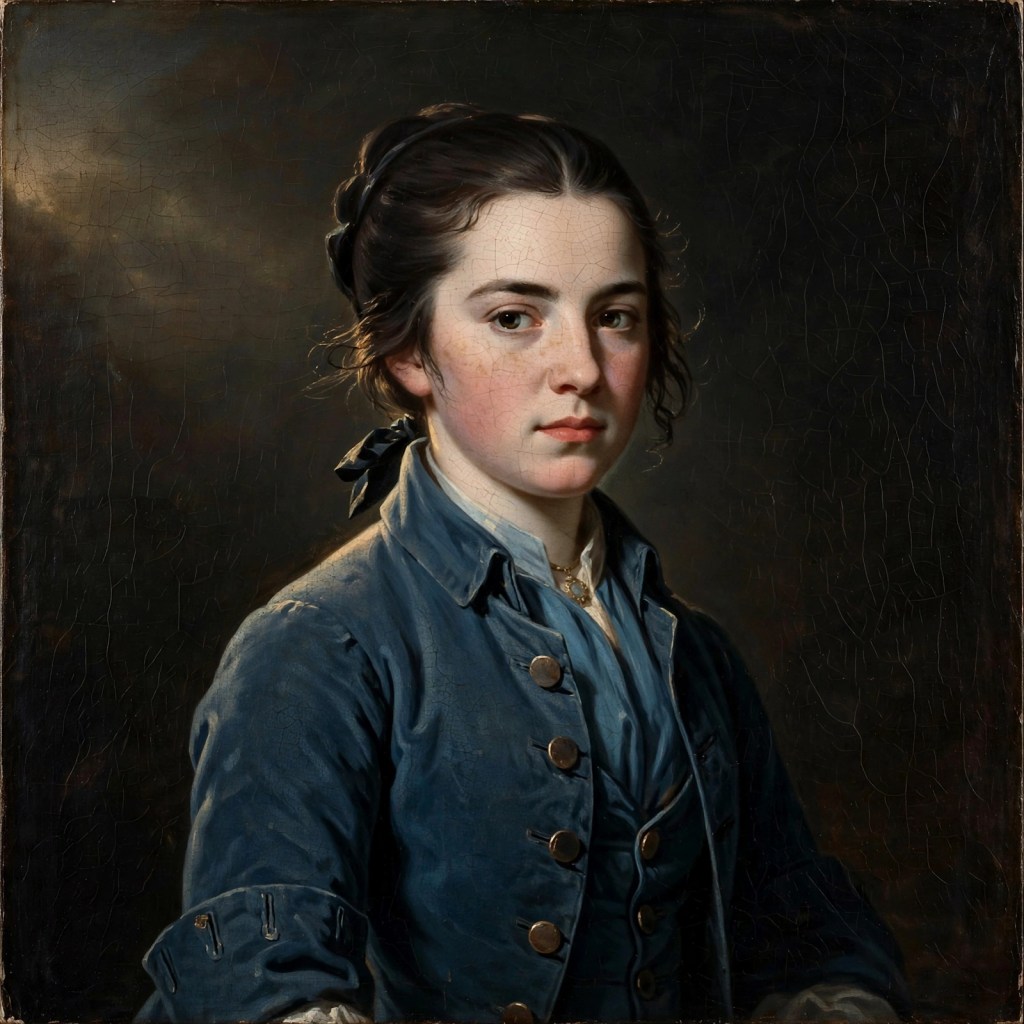
Emily Geiger
Emily Geiger — born c. 1765 in the Lexington District, SC; died 1825. 🇺🇸
During Greene’s 1781 retreat from Ninety Six, no rider would risk carrying his orders to General Sumter on the Wateree — so Emily volunteered. She memorized the message, and when Rawdon’s scouts captured her on the second day, she ate the letter before a Tory matron could search her. Released, she delivered it from memory. Sumter marched to Orangeburg. A teenage girl with a memorized sentence changed the campaign.
#America250 #WomenOfTheRevolution #RevolutionaryWar #SCHistory #CarolinaAfterDeadline
-
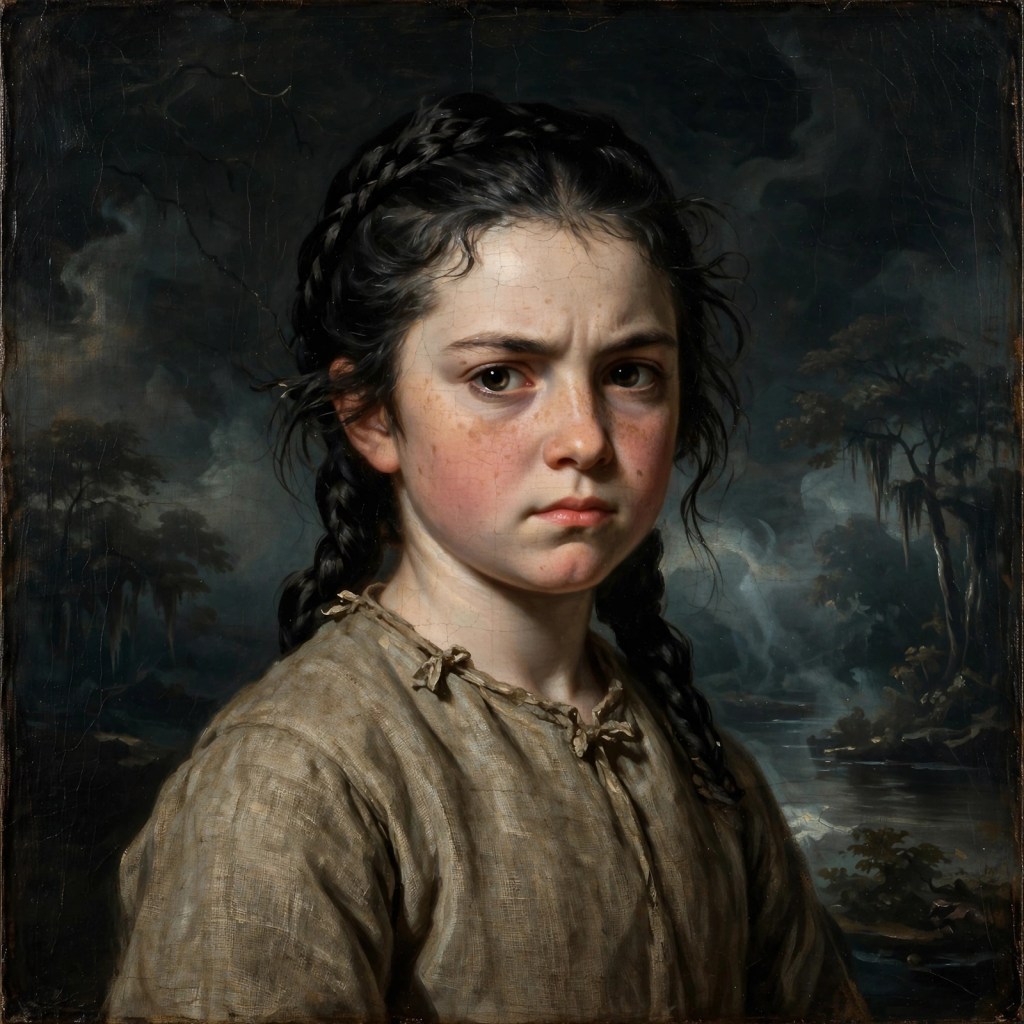
Dicey Langston
Dicey Langston — born May 14, 1766 in the Ninety Six District, SC; died May 1837 in Greenville County, SC. 🇺🇸At 15, she learned “Bloody Bill” Cunningham’s raiders planned to attack her brother’s Patriot camp at Little Eden. She walked miles through the night and waded the swollen Tyger River to warn them. Another night she threw herself between Loyalist guns and her disabled father — and when they demanded Patriot secrets at gunpoint, she answered: “Shoot me if you dare. I will not tell you.” Fifteen years old. Unbreakable.#America250 #WomenOfTheRevolution #RevolutionaryWar #SCHistory #CarolinaAfterDeadline
-
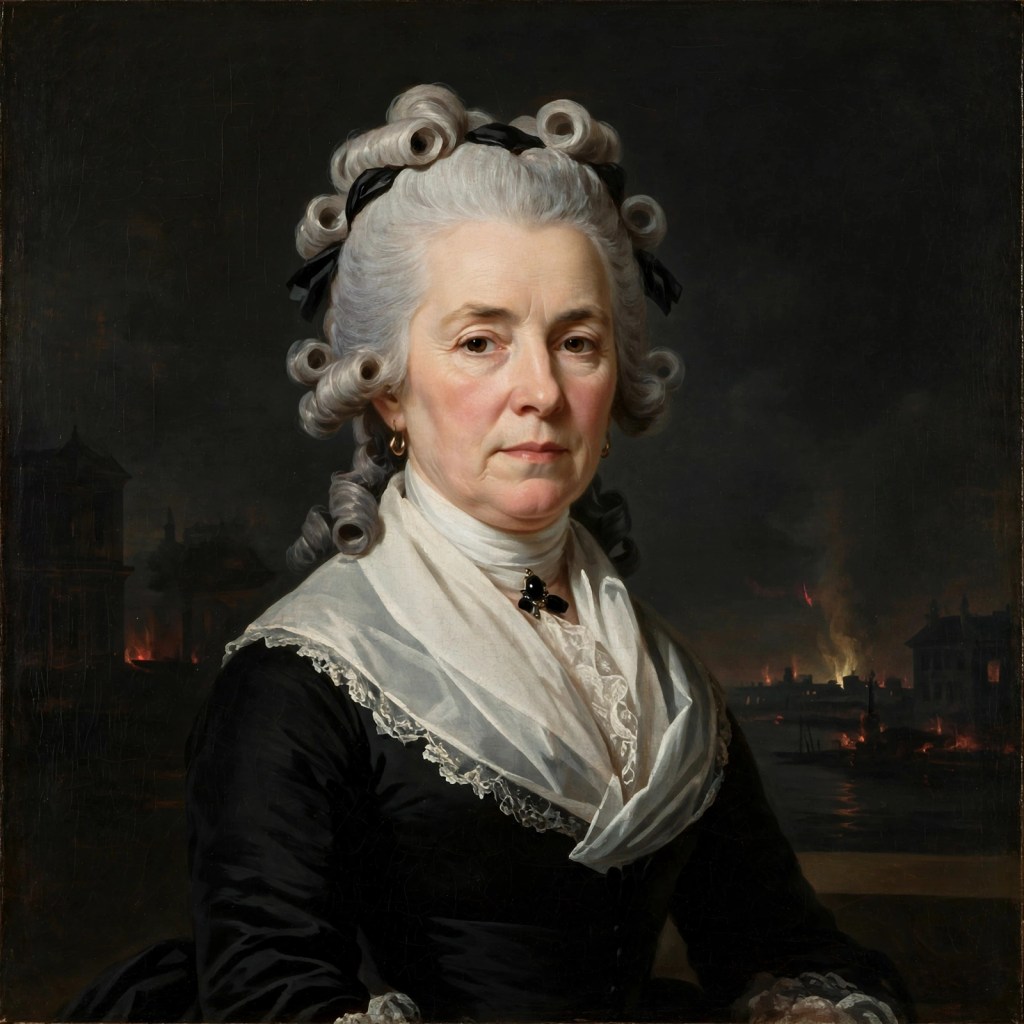
Rebecca Brewton Motte
Rebecca Brewton Motte — born 1737 in Charleston, SC (some say 1738); died 1815 on her Santee plantation. 🇺🇸
For five years she fed and supplied Marion’s Continentals. When the British fortified her own mansion as “Fort Motte,” she moved her family to the overseer’s house — then consented to the unthinkable: burn it down. She handed over East Indian fire-arrows from her late brother’s estate, and Marion’s men set her roof ablaze. The British surrendered. She watched her home burn to win a battle. That’s what the cause cost — and what she paid willingly.
#America250 #WomenOfTheRevolution #RevolutionaryWar #FortMotte #SCHistory #CarolinaAfterDeadline
-
“Lessons From History” #10: Why Free People Stay Free
THE SHORT VERSION: Ten stories, one verdict. Every system in this series promised equality and security — and delivered hunger, walls, and flight. Freedom is not just nicer. It is the only system that does not have to cage its own people to survive.
NOW THE FULL STORY:
Look back at the pattern. Plymouth tried common ownership and nearly starved — until families got their own plots. The Soviet Union, Mao’s China, and Cambodia took that idea to whole nations, and the toll ran into the millions. Cuba and Venezuela had wealth, land, and resources, and still ended in ration lines and exodus.
Then came the clean comparisons. The two Germanys and the two Koreas split one people by one border — and the free side prospered while the controlled side built walls, or still does, to keep its people in. The Berlin Wall was the confession written in concrete: a system that must shoot people for leaving has already lost the argument.
The free side did not win because its people were better. It won because its system let them be better: a farmer who keeps his crop plants more, a shopkeeper who sets his own price stocks his shelves, a citizen who can criticize his government corrects it before it hardens into tyranny. No committee in Moscow, Beijing, or Havana ever planned its way around that.
So what actually keeps people free? It is not a slogan. It is ordinary things, defended daily: the right to own what you work for, to speak and worship without permission, to vote rulers out, and to leave. Take any one away and the rest start to go with it — that is the road every story in this series walked, step by step.
THE LESSON: Freedom wins, but it does not win on autopilot. It wins because free people build, speak, vote, and stay — and because they remember what happens when they hand those things away. That is the lesson of ten days and ten stories. Do not forget it.
Thank you for following “Lessons From History.”
#LessonsFromHistory #CarolinaAfterDeadline

