
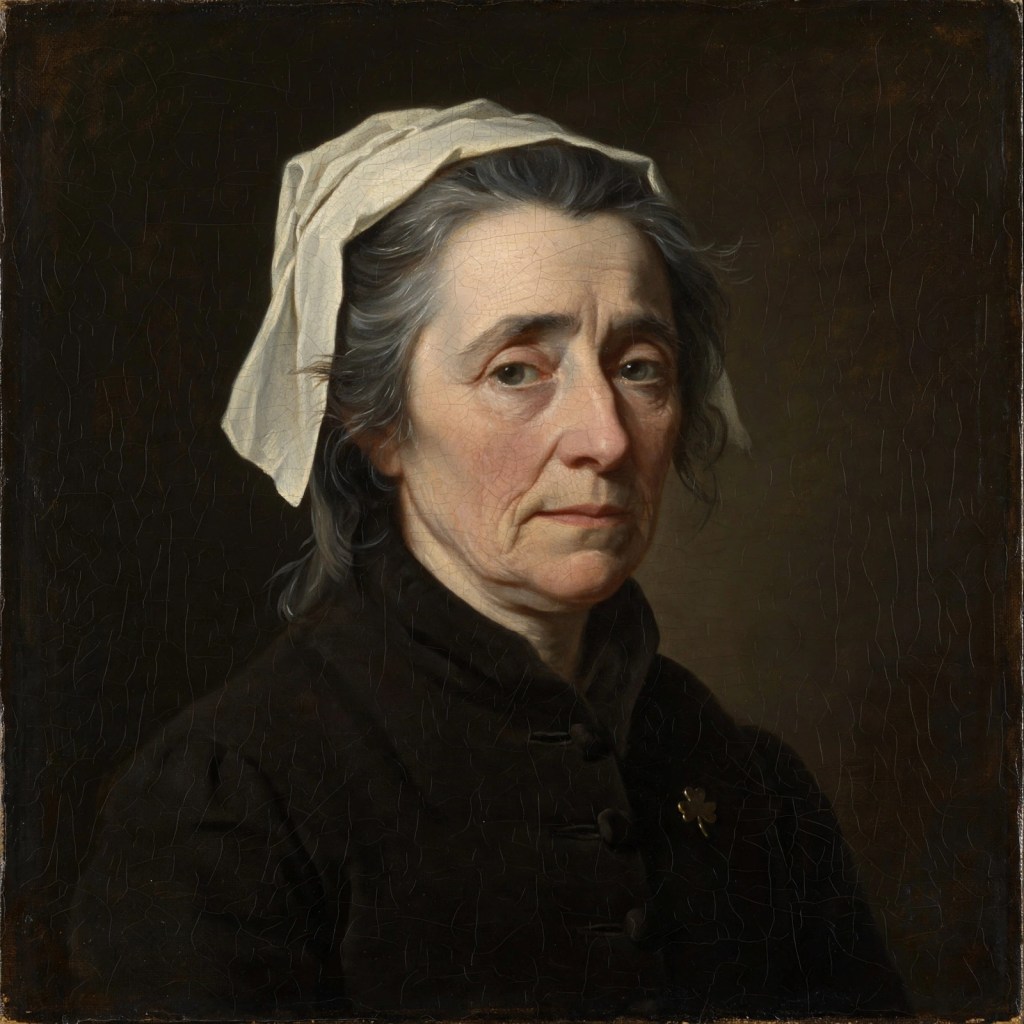
Elizabeth Hutchinson Jackson — born c. 1740 in County Antrim, Ireland; died November 1781 in Charleston, SC. 🇺🇸After the Waxhaws massacre she nursed the wounded, then bargained her sons Andrew and Robert out of a smallpox-ridden British prison — Robert died; 13-year-old Andrew barely lived. In the fall of 1781 she sailed to Charleston with other Waxhaw women to nurse American prisoners, two of her nephews among them. She caught cholera and died there, in an unmarked grave never found. She gave her life for other mothers’ sons. #America250 #WomenOfTheRevolution #RevolutionaryWar #Waxhaws #SCHistory #CarolinaAfterDeadline
Category: Local History
-
“Lessons From History” #9: The Berlin Wall

“Lessons From History” #9: The Berlin Wall
THE SHORT VERSION: A government that could not keep its people from leaving built a wall to keep them in. For 28 years it divided a city — then, in one night, the people it was built to cage walked straight through it.
NOW THE FULL STORY:
Berliners went to sleep on August 12, 1961, in one city and woke up in two. Overnight, East German soldiers strung barbed wire straight through streets, parks, and living rooms. Two months earlier, East German leader Walter Ulbricht had said: “No one intends to build a wall.” He built one anyway — more than 2.7 million East Germans had already fled west, most through Berlin.
What began as wire became a 96-mile fortress ringing West Berlin: concrete panels, watchtowers, guard dogs, floodlights, and a “death strip” patrolled by armed guards under orders to shoot. At Checkpoint Charlie in October 1961, American and Soviet tanks faced each other gun-to-gun. The standoff ended without a shot — the wall did not.
The wall’s cruelty had a face. On August 17, 1962, 18-year-old Peter Fechter tried to climb it near Checkpoint Charlie with a friend. Guards shot him; he fell back into the death strip, crying for help as crowds watched from both sides. His friend made it over. Fechter bled to death unaided, for nearly an hour. More than 5,000 people still escaped over, under, and through the wall — but at least 140 died trying.
Then came November 9, 1989. After months of peaceful protests, East German spokesman Günter Schabowski fumbled a press conference and announced new travel rules effective “immediately, without delay.” Crowds surged to the checkpoints. Overwhelmed guards, with no orders to shoot, opened the gates. Berliners climbed the wall, hugged strangers, and hammered it apart.
THE LESSON: Every wall built to keep a regime’s people in is a confession. The Berlin Wall did not fail for lack of concrete or guards — it failed because no concrete can hold people who have decided to be free.
Tomorrow: the closing lesson — why free people stay free.
#LessonsFromHistory #CarolinaAfterDeadline
-
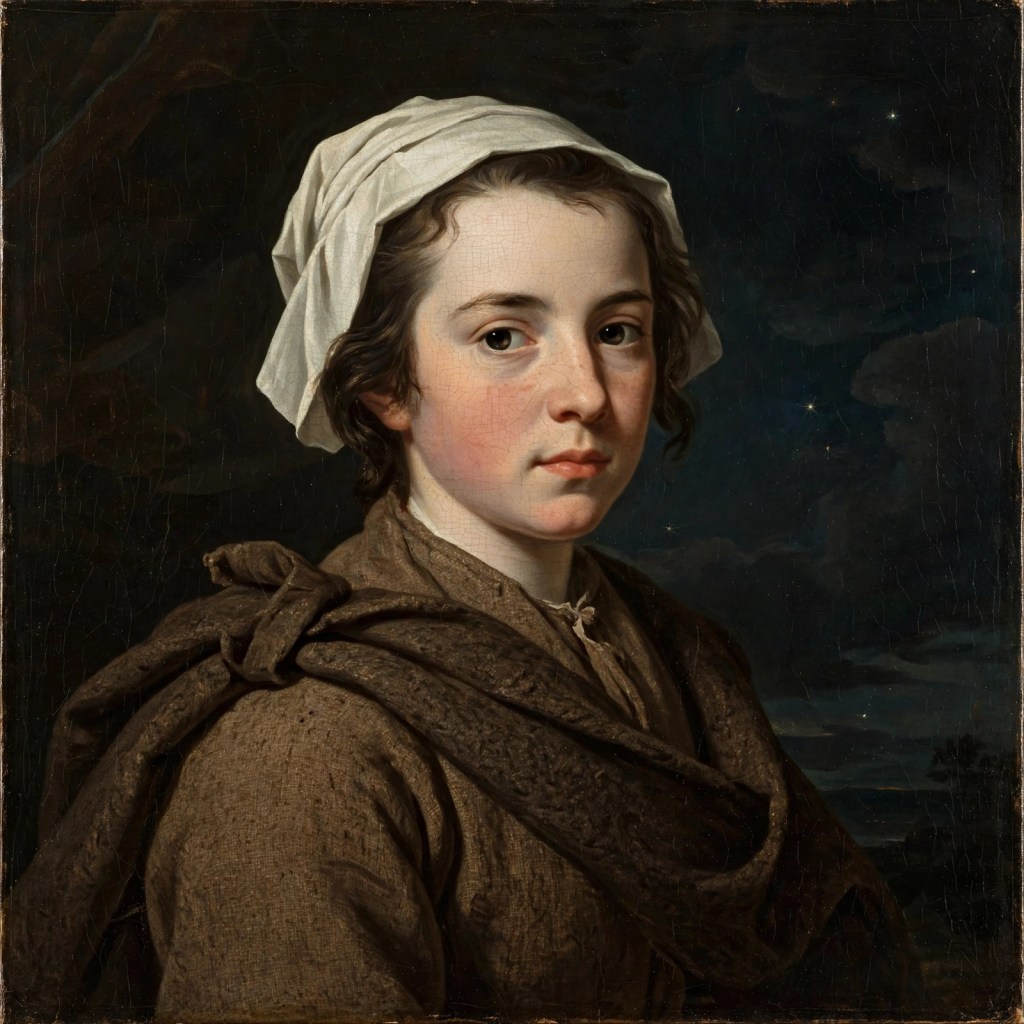
Mary “Polly” Slocumb
Mary “Polly” Slocumb — born February 11, 1760 in Bertie County; died March 1836 in Wayne County, NC. 🇺🇸
The story goes that in 1776, 16-year-old Polly heard cannon fire, rode 65 miles through the night to Moore’s Creek, and spent the next day nursing the wounded. Historians now doubt the ride — records say her husband wasn’t even at the battle. But the 1907 Women’s Monument at the battlefield still honors her as the “most honored” of the Lower Cape Fear heroines. Some legends outlive the facts because of what they say about who we were.
#America250 #WomenOfTheRevolution #RevolutionaryWar #MooresCreek #NCHistory #CarolinaAfterDeadline
-
“Lessons From History” #8: Venezuela
“Lessons From History” #8: Venezuela
THE SHORT VERSION: Venezuela sat on the largest proven oil reserves on earth and was once among the richest countries in Latin America. Then it chose socialism — and in one generation, an oil-rich nation ended up with empty shelves, worthless money, and millions of its people fleeing on foot.
NOW THE FULL STORY:
In 1998, Hugo Chávez was elected president promising to fix inequality and spread the oil wealth. At first, high oil prices paid for generous social programs, and poverty fell. But the system underneath was being rebuilt: the state took majority control of the oil industry, nationalized steel, cement, telecom, and farms, and imposed price controls and currency controls.
The results followed the same pattern as every other installment in this series. State-run companies were put in loyal hands, not expert ones, and oil production — the country’s lifeblood — began to fall. Price controls meant shops could not sell goods for what they cost to make, so shelves emptied. To pay the bills, the government printed money.
Chávez died in 2013, and Nicolás Maduro tightened the same policies. By 2018 the International Monetary Fund projected inflation of 1,000,000 percent for the year — money losing its value so fast that a month’s wages could barely buy a meal. Food and medicine ran short, hospitals struggled, and power and water faltered. The United Nations counted 3 million Venezuelans fled by late 2018, most to Colombia and Peru; millions more have left since.
THE LESSON: Venezuela did not fail for lack of resources. It had more oil than Saudi Arabia. It failed because the state took over the economy that produced the wealth, spent it, and then printed money when the wealth ran out. No country is too rich to ruin — it only takes a system that punishes production and rewards loyalty.
Tomorrow: the Berlin Wall — the wall built to keep people in, and the night it came down.
#LessonsFromHistory #CarolinaAfterDeadline
-
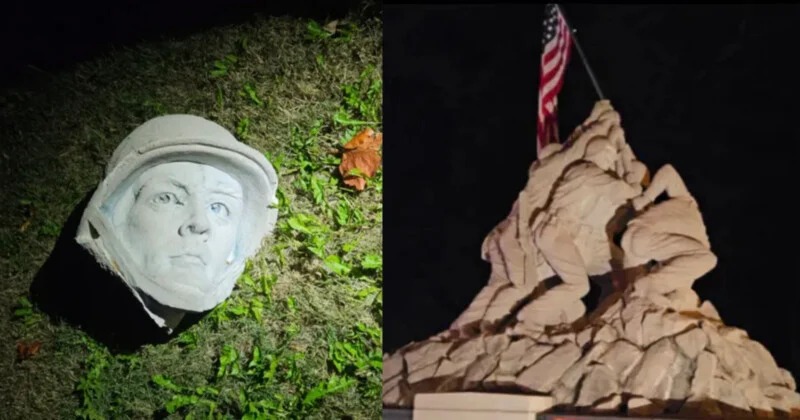
UPDATE: Quantico Iwo Jima monument suspect granted bond, but ICE detainer may keep him in custody
🇺🇸 UPDATE: The man accused of taking a sledgehammer to the Iwo Jima monument at Quantico was granted bond Monday — but he may not walk free.
Prince William Circuit Court Chief Judge Petula Metzler granted Miguel Alonso Maldonado Soriano, 27, of Stafford, a $2,500 secured bond, over the Commonwealth’s objection. If released, he must wear a GPS monitor, undergo alcohol and drug testing, remain in Virginia, and complete a mental health evaluation.
But ICE has lodged a detainer — so if he posts bond, federal immigration agents will likely pick him up instead.
A detective testified Monday that Soriano showed signs of mental health issues. Prosecutors said he targeted the monument because he applied to the Marines but was denied because he is in the country illegally. DHS says he entered illegally in 1999; his DACA status, granted in 2014, has since expired.
His preliminary hearing is set for Jan. 11, 2027. Damage to the monument is estimated in the hundreds of thousands of dollars.
Photos: Prince William County Police Department; U.S. Department of Homeland Security.

-
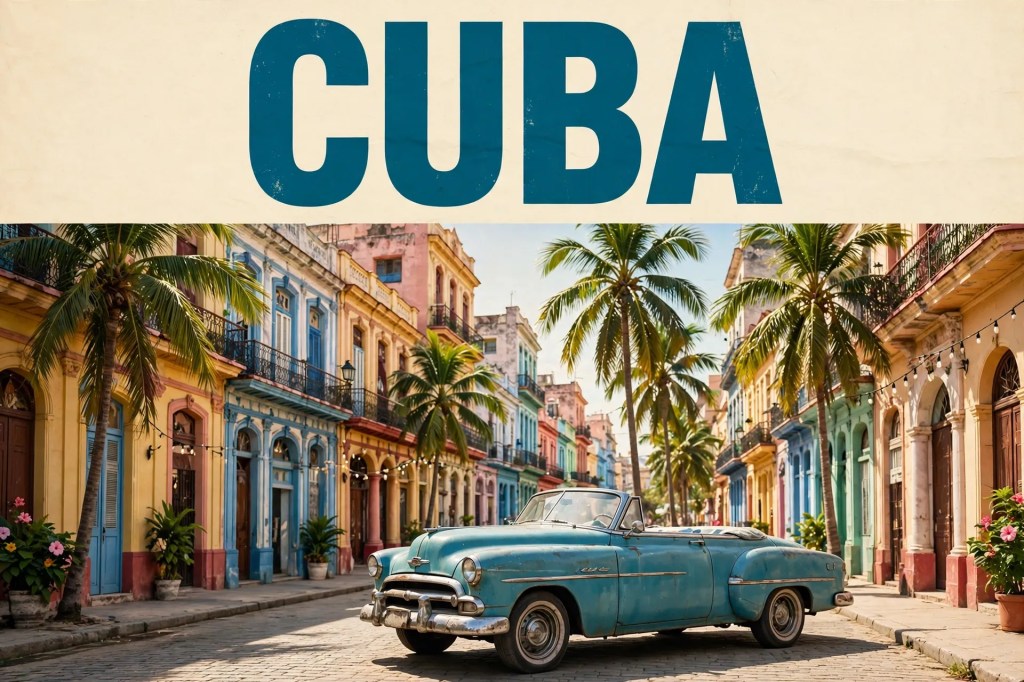
“Lessons From History” #7: Cuba
“Lessons From History” #7: Cuba
THE SHORT VERSION: Cuba was once the playground of the Caribbean — rich, beautiful, ninety miles from Florida. Its revolution promised freedom from a dictator. Instead it built a one-party state that has lasted more than sixty-five years — and its people are still risking their lives to leave.
NOW THE FULL STORY:
On January 1, 1959, dictator Fulgencio Batista fled Cuba, and Fidel Castro’s rebels took power. Many Cubans cheered: the revolution promised democracy, land, and an end to corruption.
The democracy never came. The state took over the farms, factories, banks, and newspapers. Private property was effectively abolished, elections were never held, and dissenters were jailed or driven into exile. One party, one leader, one official story.
Twice in the early 1960s the island nearly dragged the world into war. In April 1961, a CIA-backed exile force landed at the Bay of Pigs and was defeated in days. In October 1962, Soviet nuclear missiles in Cuba brought the United States and the Soviet Union to the brink of nuclear war before Moscow withdrew them.
The economy followed the same pattern as every other installment in this series: state control, shortages, and rationing. In 1980, Castro opened the port of Mariel, and about 125,000 Cubans fled to Florida in a matter of months. When the Soviet Union collapsed in 1991, Cuba lost its chief sponsor overnight, and the “Special Period” that followed brought blackouts, hunger, and hardship — yet the regime held on, propped up by tourism and a small, tightly controlled private sector.
More than six decades after the revolution, the pattern has not changed. Cubans still leave by raft and by any route they can find, families are still split between the island and Florida, and the government still decides what its people may say, own, and read.
THE LESSON: Cuba is the warning closest to home. A revolution that promised to free people from a dictator froze them under a system instead. Paradise is not a place. It is what free people build.
Tomorrow: Venezuela — the oil-rich country that had everything, and lost it anyway.
#LessonsFromHistory #CarolinaAfterDeadline
-
Penelope Barker
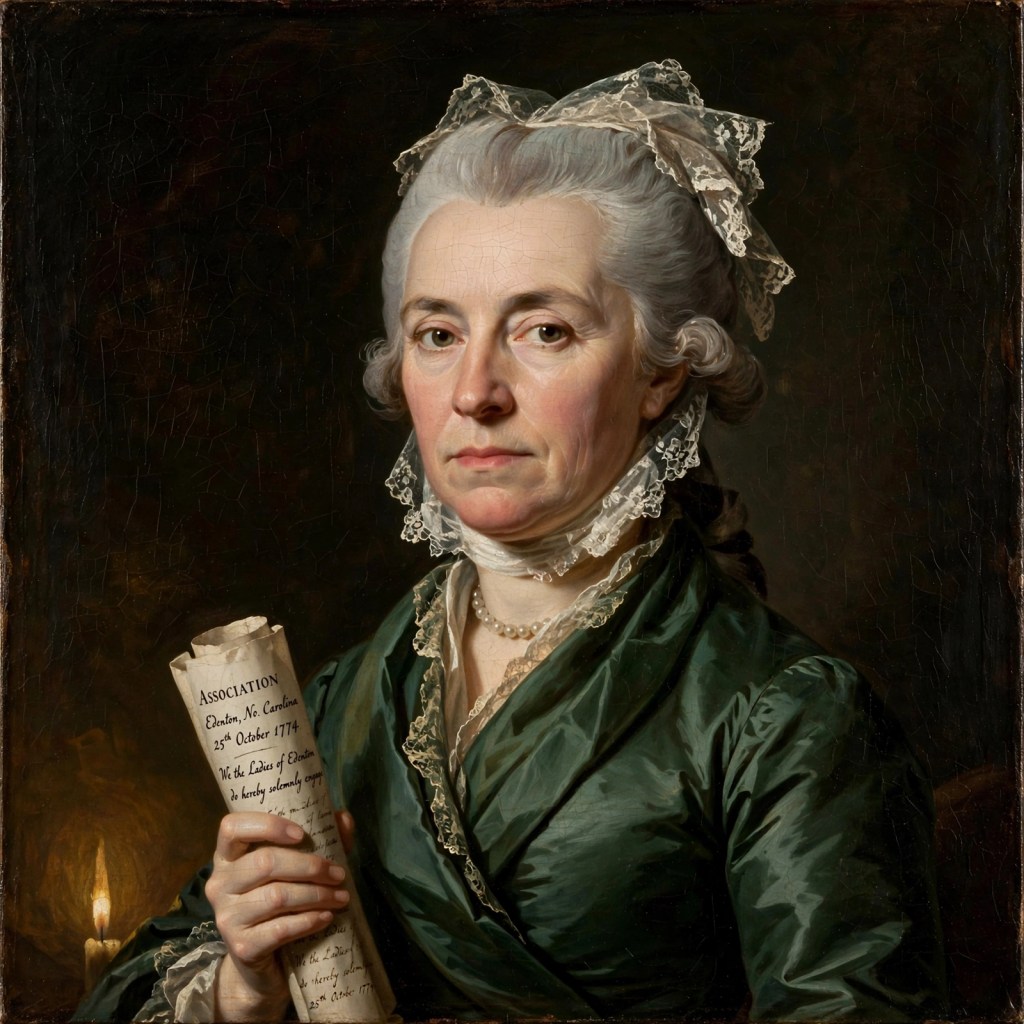
Penelope Barker — born June 17, 1728 in Edenton, NC; died 1796 in Edenton. 🇺🇸
On October 25, 1774, she organized 51 women to sign a resolve boycotting British tea and manufactures — the first organized women’s political demonstration in America. The Edenton Tea Party shocked London; the British press mocked them, but the boycott held. Her husband was stranded in England for 17 years, so Penelope managed their plantations and raised the family alone — straight through the Revolution. She led from her parlor, and a nation followed.
#America250 #WomenOfTheRevolution #RevolutionaryWar #EdentonNC #NCHistory #CarolinaAfterDeadline
-
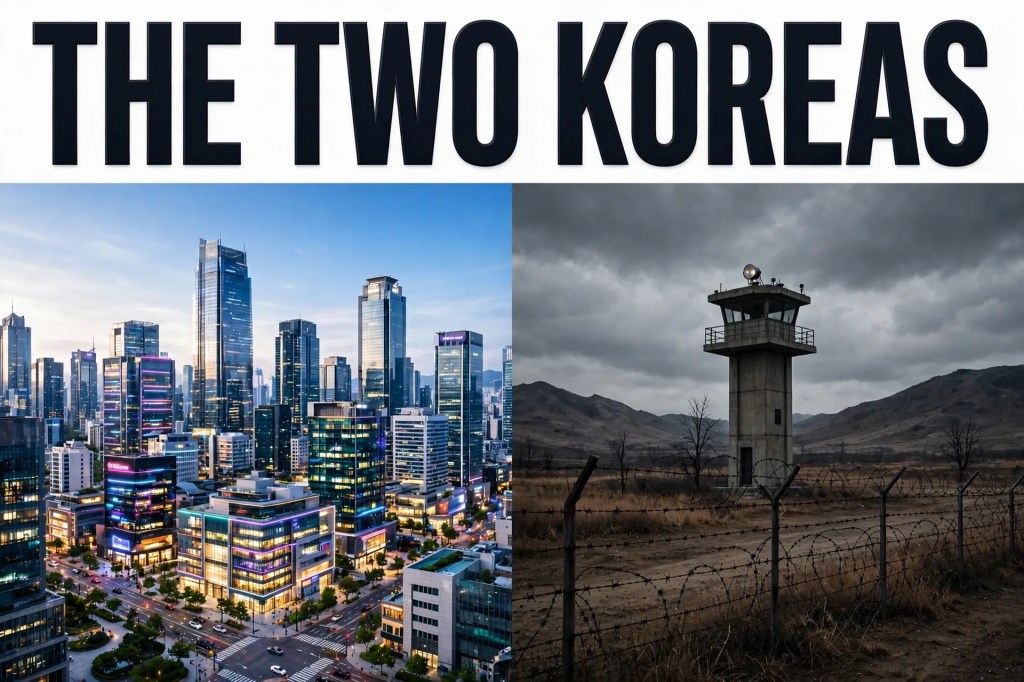
“Lessons From History” #6: The Two Koreas
“Lessons From History” #6: The Two Koreas
THE SHORT VERSION: One people, one language, one history — split in 1945 into two Koreas. The South chose markets and, eventually, freedom. The North chose communism and a family dynasty. Eighty years later, the South is rich and free, and the North is starving behind guns. The result is not close.
NOW THE FULL STORY:
Korea was one country until World War II ended, when the victors split it at the 38th parallel: Soviets north, Americans south. In 1948 the split became permanent — the Republic of Korea in the south, Kim Il-sung’s Democratic People’s Republic in the north. In June 1950 the North invaded. An armistice in 1953 stopped the fighting, but no peace treaty was ever signed.
The South rebuilt on private property, exports, and trade. From one of the poorest places on earth in the 1950s, it became one of the richest. In 1987, after decades of authoritarian rule, South Koreans won free elections. Today they vote, travel, speak, and worship freely, and live roughly a decade longer than their northern cousins.
The North went the other way. The state owns everything, the Kim family has ruled for three generations, and the regime spends on nuclear weapons and missiles while its people go hungry. In the 1990s, after Soviet aid collapsed, famine killed hundreds of thousands — by some estimates more than a million. Escapees still risk their lives to reach the South, and those caught are punished, along with their families.
THE LESSON: Germany’s split is over; Korea’s still stands, and it is the starkest comparison on earth. Same people, same language, same starting point in 1945. One side built prosperity and freedom. The other built a prison state that cannot feed its own people. The divide is not about geography. It is about the system.
Tomorrow: Cuba — an island paradise turned into a prison, ninety miles from Florida.
#LessonsFromHistory #CarolinaAfterDeadline
-
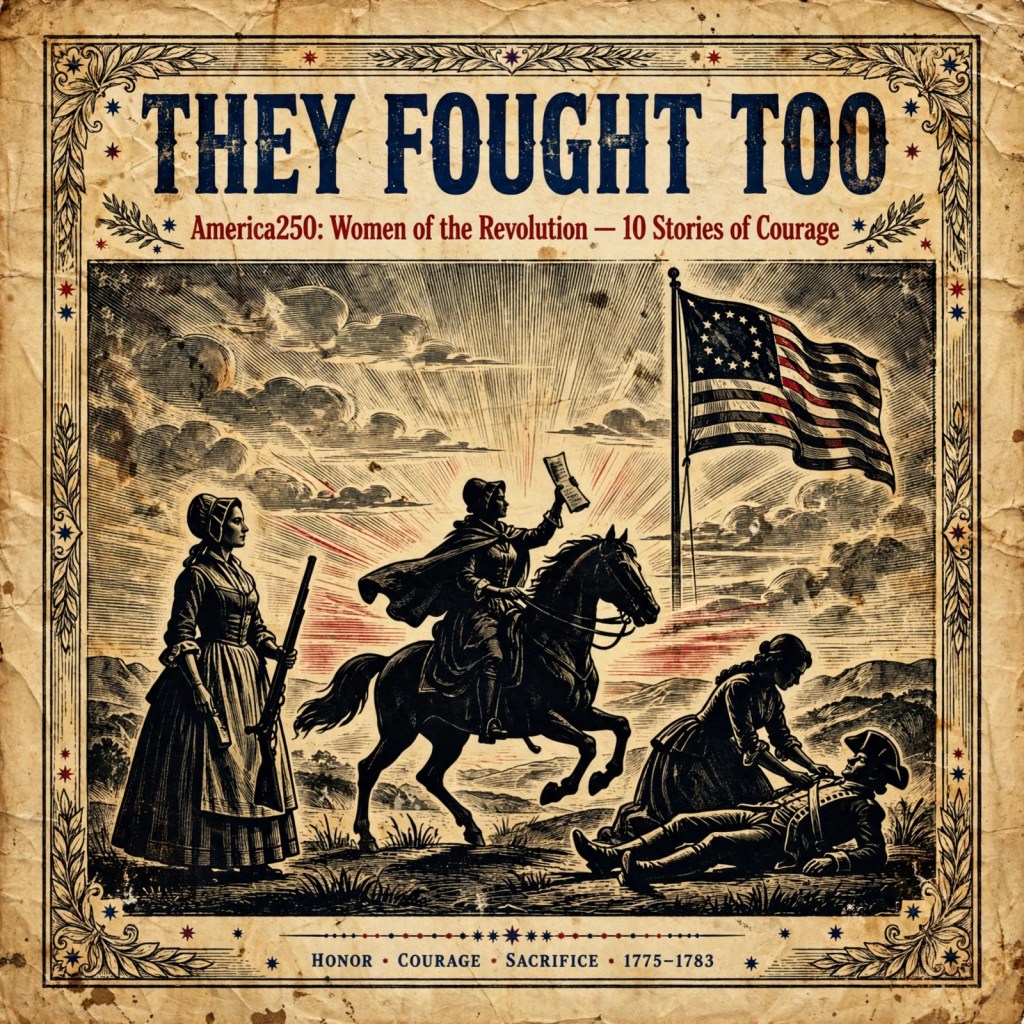
🇺🇸 THEY FOUGHT TOO 🇺🇸
🇺🇸 THEY FOUGHT TOO 🇺🇸
Starting tomorrow morning at 5:00 AM, Carolina After Deadline brings you “America250: Women of the Revolution” — 10 stories of the women who risked everything for American independence.
They boycotted the King’s tea. They spied, carried messages, burned their own homes, nursed the wounded, and faced down soldiers at gunpoint.
One portrait. One story. Every morning at 5:00 AM.
History remembers the generals. This is for the women who made their victories possible.
#America250 #WomenOfTheRevolution #CarolinaAfterDeadline #RevolutionaryWar #NCHistory #SCHistory
-
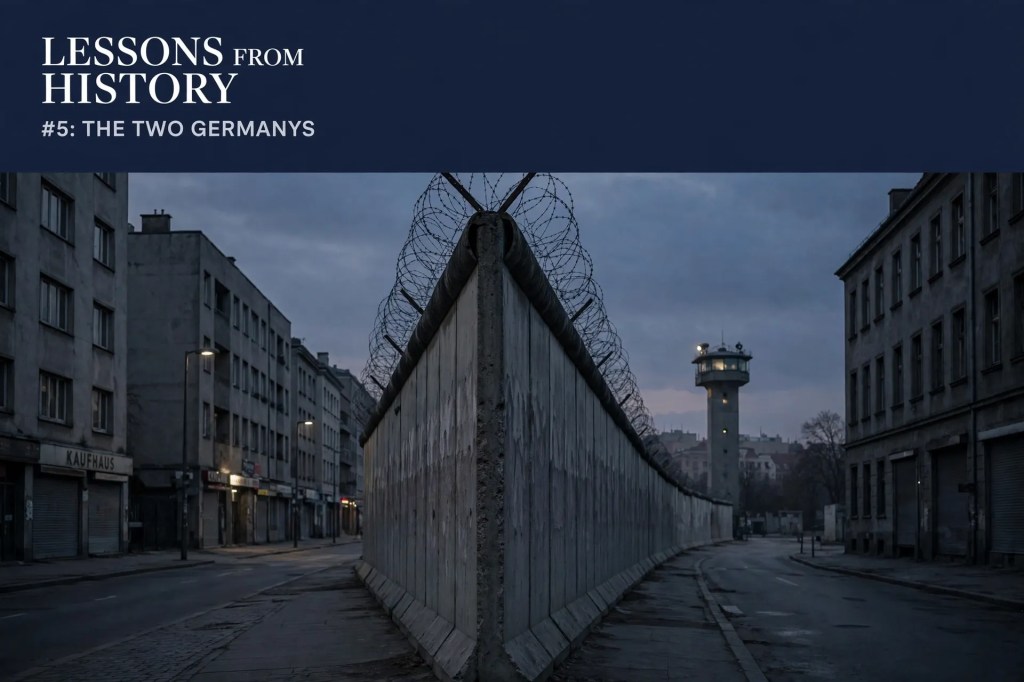
“Lessons From History” #5: The Two Germanys
“Lessons From History” #5: The Two Germanys
THE SHORT VERSION: After World War II, one people and one language were split in two. The West chose markets and freedom; the East chose communism. Forty years later, one side was prosperous — and the other had built a wall to keep its own people from leaving.
NOW THE FULL STORY:
Germany was divided after the war: the west run by America, Britain, and France; the east by the Soviet Union. In 1949 the split became formal — the Federal Republic in the west, the German Democratic Republic in the east. Same people. Different systems.
West Germany rebuilt on private property, market prices, and free elections. Its 1948 currency reform let shopkeepers stock shelves again almost overnight, and the “economic miracle” that followed made it one of the richest countries in Europe.
East Germany went the other way. The state owned the factories and farms and set the prices. The result was shortages, shoddy goods, and years-long waiting lists for a car — the little Trabant became the symbol of it all. Millions fled west in the 1950s, many through Berlin, where the border was still open.
So on August 13, 1961, East Germany built a wall through the middle of Berlin — not to keep invaders out, but to keep its own citizens in. Guards shot escapees, and more than 100 people died trying to cross it. A government that has to wall its people in has already lost the argument.
By 1989 the contrast was impossible to hide. West Germans lived far better and could travel, speak, and vote freely. East Germans could not. When Hungary opened its border that autumn, East Germans poured out — and on November 9, 1989, crowds tore the Berlin Wall down. Less than a year later, on October 3, 1990, Germany was reunited — on the West’s terms.
THE LESSON: This was the cleanest experiment in history: no difference in people or language — only in systems. One side built prosperity and needed no walls. The other built a wall and still lost its people. Freedom wins, and it is not close.
Tomorrow: the two Koreas — the same split, still standing, with an even starker result.
#LessonsFromHistory #CarolinaAfterDeadline

