Blog

  • America250: Heroes of Our Coast — They Gave Everything

    America250: Heroes of Our Coast — They Gave Everything

    🇺🇸 THEY GAVE EVERYTHING 🇺🇸

    Starting tomorrow morning at 5:00 AM, Carolina After Deadline brings you “America250: Heroes of Our Coast” — 14 stories of the men who won our independence on this coastline.

    They didn’t just fight. They paid. A general who died broke. A hero who wasted away in a British prison. A farmer whose home was burned for revenge. An enslaved man who bought his freedom with his blood.

    One portrait. One story. Every morning at 5:00 AM.

    They gave everything. The least we can do is remember.

    #America250 #HeroesOfOurCoast #CarolinaAfterDeadline #RevolutionaryWar #NCHistory

  • America250: Heroes of Our Coast — Maj. Gen. Robert Howe

    America250: Heroes of Our Coast — Maj. Gen. Robert Howe

    Robert Howe — born c. 1732 in New Hanover County, died Dec 14, 1786 in Bladen County. 🇺🇸

    He once commanded Fort Johnston for the Crown — then led 500 Brunswick militiamen to burn it in 1775. He became North Carolina’s only major general in the Continental Army. Court-martialed after the fall of Savannah, he was acquitted “with the Highest Honor.” He rode through two feet of snow to crush a mutiny for Washington and sat on the court that convicted Major John André. He died in debt, his grave lost. Southport’s cenotaph is all that marks him.

    #America250 #HeroesOfOurCoast #RevolutionaryWar #SouthportNC #BrunswickCounty #NCHistory #CarolinaAfterDeadline

  • America250: Heroes of Our Coast — John Ashe

    America250: Heroes of Our Coast — John Ashe

    John Ashe — born March 24, 1725 at Grovely, New Hanover County; died Oct 24, 1781 at Sampson Hall. 🇺🇸

    He pledged his own fortune to raise a regiment, then personally applied the torch to Fort Johnston in 1775. He equipped the Volunteer Independent Rangers from his own pocket and led them at Moore’s Creek Bridge. After defeat at Brier Creek he kept fighting Loyalists around Wilmington until the British captured him. Thrown into Craig’s “bull-pen,” he caught smallpox in captivity and died days after being paroled — a prisoner of war to the very end.

    #America250 #HeroesOfOurCoast #RevolutionaryWar #BrunswickCounty #NCHistory #CarolinaAfterDeadline

  • Immigration: The Numbers and the Process — What We Know, What We Don’t, and How Removal Actually Works

    Immigration: The Numbers and the Process — What We Know, What We Don’t, and How Removal Actually Works

    ⚖️ IMMIGRATION: THE NUMBERS AND THE PROCESS — what we know, what we don’t, and how removal actually works.

    Nobody reputable counts unauthorized immigrants at the county level — not for Brunswick County, not anywhere small. The solid numbers are statewide: an estimated 425,000 to 450,000 unauthorized immigrants in North Carolina, and the Charlotte immigration court (which covers the Carolinas) issued 21,712 removal orders in fiscal 2025, with another 18,286 through August of this year. 👇

    WHY NO BRUNSWICK COUNTY NUMBER

    The estimators — Migration Policy Institute, Pew Research Center — use the “residual method”: Census data minus estimated legal immigrants. It works nationally and by state, but falls apart for small counties. MPI publishes county numbers for only 286 counties; Brunswick isn’t one. (Just 10 NC counties make the list.) The courts and ICE report by court location and field office, not by where people live. And the Census doesn’t ask legal status — every figure is an estimate, never a count.

    STATEWIDE

    • MPI: ~450,000 unauthorized immigrants in NC (2023).

    • Pew: ~425,000 — NC was one of 8 states growing 75,000+ from 2021–2023. ~4% of the state; Mexico top country of birth.

    • Nationally: ~14 million unauthorized (Pew); 1.4M+ living under final removal orders not yet carried out.

    OUR REGION’S COURT

    Charlotte Immigration Court (both Carolinas — can’t be split):

    • FY2025: 21,712 removal orders, up 52%.

    • Jan–Aug 2026: 18,286 — ~90% of completed cases. Only 203 granted relief.

    • Backlog: ~119,000–129,000, 9th largest in the US.

    • Nationally FY2025: 485,456 removal orders; 306,557 in absentia (never showed up).

    Note: an order is a judge’s decision — ICE carrying it out is separate, and many ordered people are never located.

    HOW A FINAL ORDER HAPPENS

    1. Notice to Appear after apprehension (border, ICE arrest, flagged overstay).

    2. Master calendar hearing — rights explained, charges answered. No government lawyer provided.

    3. Individual hearing — evidence from both sides; person can seek asylum, withholding, cancellation, or adjustment.

    4. Judge decides: removal order, relief, or voluntary departure.

    5. Skip court = ordered anyway (“in absentia”) — 310,000+ nationally in FY2025.

    6. Appeal: 30 days to the Board of Immigration Appeals, then federal circuit court — filing doesn’t pause removal by itself.

    7. “Final” = appeals done or never filed. Only then can ICE execute it.

    CRIMES THAT TRIGGER REMOVAL

    • Aggravated felonies (murder, rape, child sexual abuse, drug/firearms trafficking, fraud over $10,000) — deportable, almost no relief.

    • Drug offenses, firearms offenses, domestic violence, stalking, child abuse/neglect.

    • “Crimes of moral turpitude” — theft, fraud, assault with intent.

    • Improper entry: federal misdemeanor (up to 6 months; 2 years repeat).

    • Illegal reentry after removal: federal felony (up to 2 years; 10–20 with serious priors).

    • Being here without authorization is a CIVIL violation, not a crime. The crime is the entry — or coming back after removal.

    BOTTOM LINE: no credible Brunswick County count exists. Statewide: 425,000–450,000 and growing. Our court’s ordering removals at a record pace — 9 in 10 cases. And the path runs through a years-long backlog where most people never get a lawyer.

    Sources: MPI; Pew Research Center; Executive Office for Immigration Review; WFAE/Public Radio East; American Immigration Council.


  • Grand Strand Kite Festival Returns to Cherry Grove Oct. 24–25

    Grand Strand Kite Festival Returns to Cherry Grove Oct. 24–25

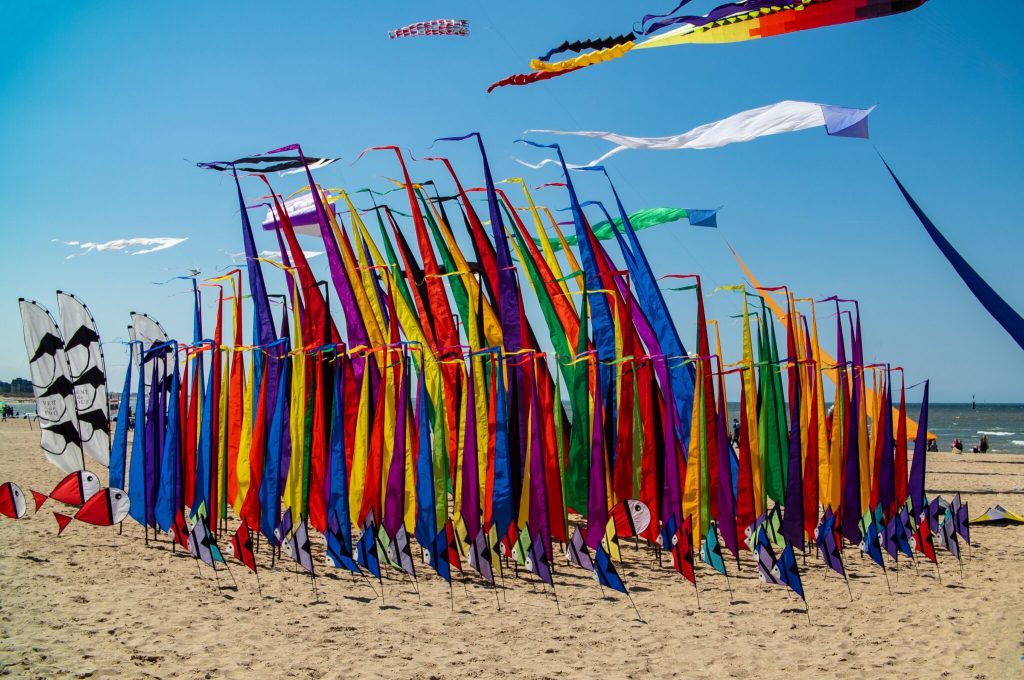
    🪁 Mark your calendars: the Grand Strand Kite Festival is back in two weeks — and it’s a beauty.

    The 9th annual festival, hosted by Klig’s Kites, takes over The Point in Cherry Grove on Saturday, Oct. 24 and Sunday, Oct. 25, from 11 AM to 4 PM both days. Admission is free.

    Expect big show kites, stunt flyers, and all the colors over the open water where the ocean meets Hog Inlet. There’s live music and food trucks, and you’re welcome to fly your own kite too — just bring a chair and give the pros room.

    The Point (near 6300 N. Ocean Blvd.) is the northernmost tip of North Myrtle Beach and one of the best spots on the Grand Strand for wind. See you in the sky. ☀️

    Photo: realml.org.

    Sources: Visit Myrtle Beach; vacationmyrtlebeach.com.

  • Know Your Candidates: District 1 County Commissioner Race on the Ballot This Fall

    Know Your Candidates: District 1 County Commissioner Race on the Ballot This Fall

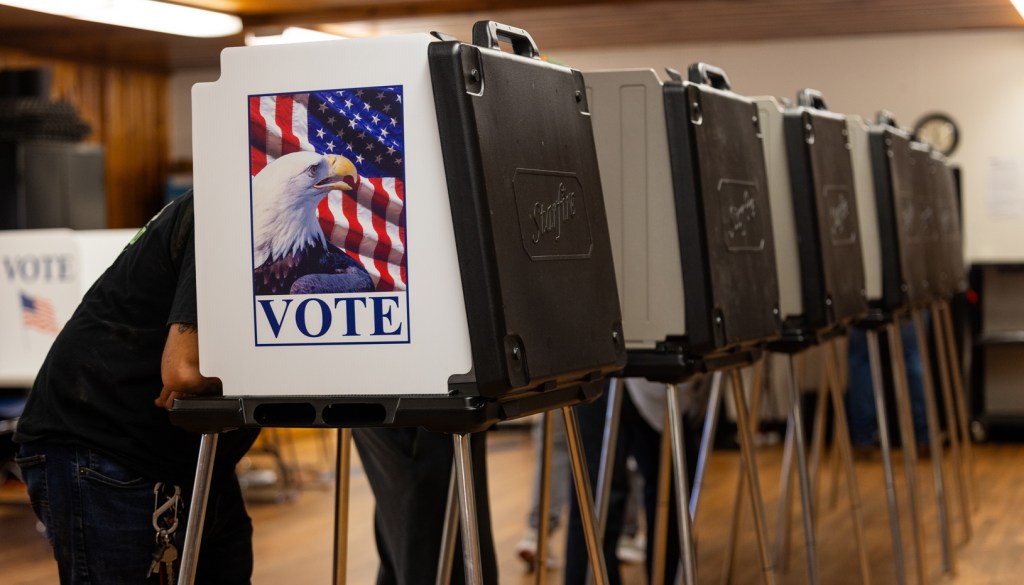
    🗳️ Know your candidates: the District 1 county commissioner race is on the ballot this fall.

    It’s incumbent Randy Thompson (R) vs. challenger Gary Woods (D) — and if you live in Sunset Beach, Carolina Shores, Calabash, or Ocean Isle Beach, this is your race. District 1 covers all four beach towns plus portions of Ash and Longwood.

    Thompson, 68, is a retired Brunswick County Emergency Services director and small business owner wrapping up 11 years on the board — four as vice chair, four as chair. Woods, 66, is a retired U.S. Coast Guard finance and supply officer making his first run for office.

    Election Day is Tuesday, Nov. 3 — polls open 6:30 AM to 7:30 PM. Early voting runs Oct. 15–31. Absentee ballots are due at the Brunswick County Board of Elections by 7:30 PM on Election Day.

    We’ll keep an eye on the local races through November — details on the others as they come. 🇺🇸

    Photo: Brennan Center for Justice.

    Sources: Wilmington StarNews.

  • Bay Street in Southport Closed Through Oct. 30 for Shorefront Improvements Project

    Bay Street in Southport Closed Through Oct. 30 for Shorefront Improvements Project

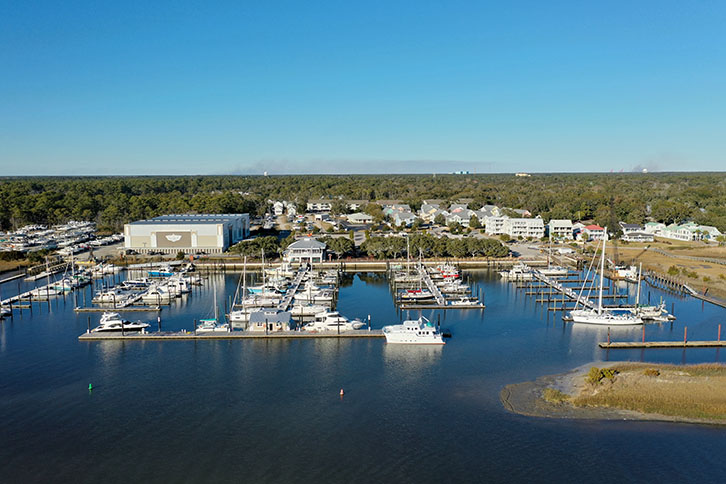
    🚧 Heads up, Southport: Bay Street is closed to traffic through Oct. 30 while construction continues on the Shorefront Improvements Project.

    It’s all part of the long-running shoreline stabilization effort along Bay Street and West Bay Street — Mayor Joe Pat Hatem says state legislators secured about $5 million to finish it, with rock revetments and beach fill going in between now and the end of March 2027. Vibration monitoring is in place to protect the nearby historic sites.

    Plan accordingly if you cut through the waterfront — and yes, it’s worth it: this is the work that’s been holding the river at bay along the yacht basin for years. ⚓

    Photo: The Home Place NC. Sources: WECT; Citizen Portal.

  • One Week Out: 45th Annual N.C. Oyster Festival Takes Over Ocean Isle Beach Oct. 17–18

    One Week Out: 45th Annual N.C. Oyster Festival Takes Over Ocean Isle Beach Oct. 17–18

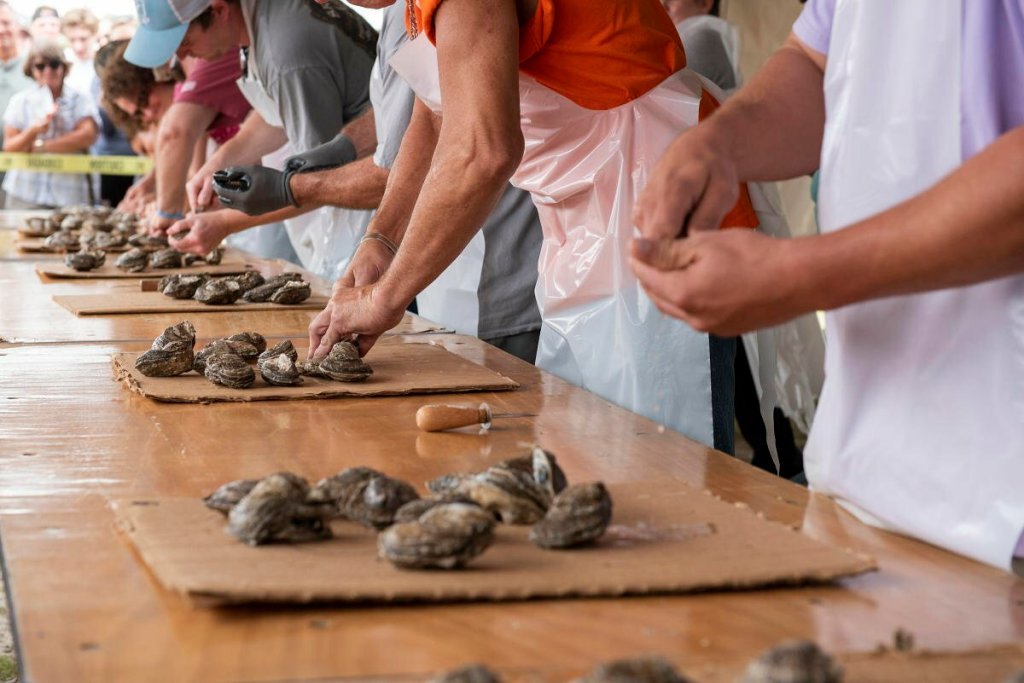
    🦪 ONE WEEK OUT: the 45th annual N.C. Oyster Festival takes over Ocean Isle Beach next weekend!

    It’s Saturday, Oct. 17 (9 AM–6 PM) and Sunday, Oct. 18 (10 AM–5 PM) at Town Center Park — oysters every which way, live beach bands, crafts, and kids’ activities. Admission is $5 for adults (cash only); kids under 12 get in free.

    The don’t-miss list:

    • Saturday at noon: the oyster shucking contests — pros and amateurs, free to enter (sign up in person at the contest tent)

    • Saturday at 1:30 PM: the oyster eating contest — $5 a bucket, fastest shoveler wins 😅

    • Sunday: the oyster stew cook-off, four local restaurants battling for the title

    Pro tips: bring a chair, bring cash, and park on the mainland (free shuttles run from Lowes Foods and the airport). See you there! 🍺

    Photo: Island Life NC. Sources: OceanIsleBeach.com; Island Life NC.

  • Former Brunswick County Sheriff’s Lieutenant Indicted Over Flock Camera Misuse

    Former Brunswick County Sheriff’s Lieutenant Indicted Over Flock Camera Misuse

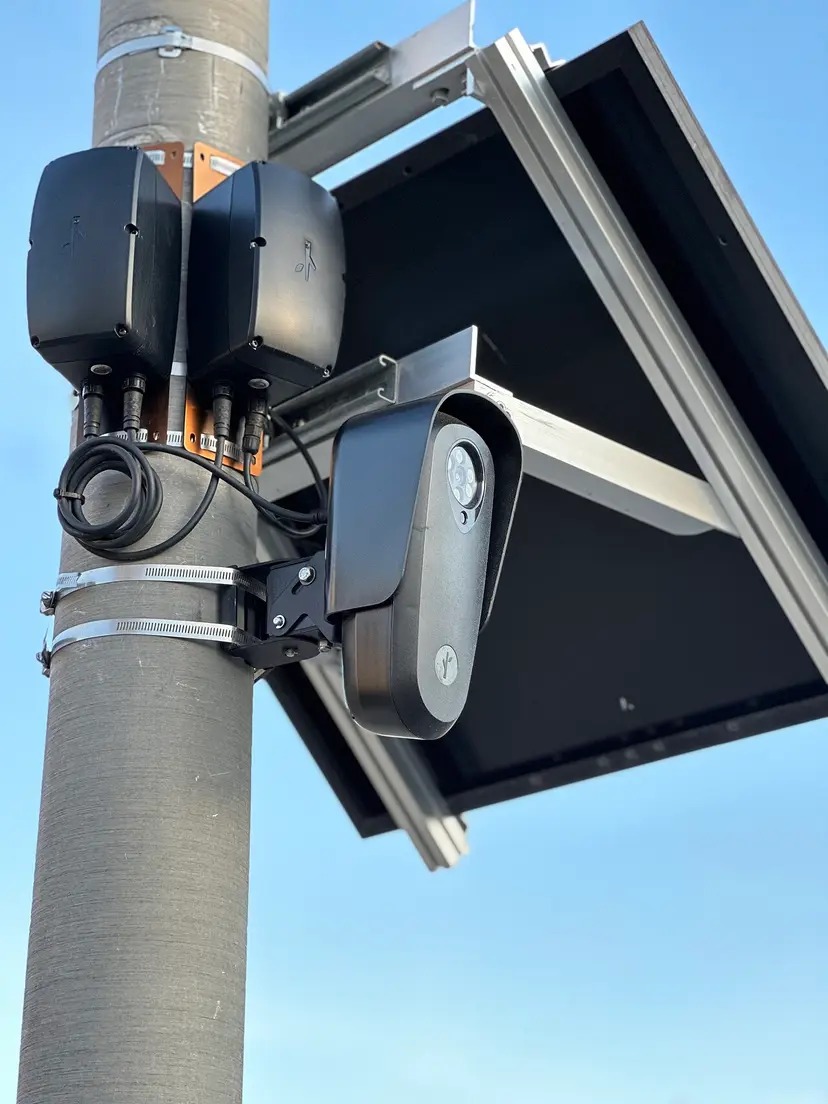
    🚨 A former Brunswick County sheriff’s lieutenant has been indicted by a grand jury over misuse of the department’s Flock license plate cameras.

    Daniel Heith Little, 47, was arrested by the State Bureau of Investigation. The indictment: six counts of accessing government computers, six misdemeanor counts of misusing the Flock cameras, and six counts of willfully failing to discharge his duties. He was released on an unsecured bond and is due in Brunswick County court.

    The Sheriff’s Office said in a statement that it will ‘continue to fully cooperate with the SBI and allow justice to do its job,’ calling the situation ‘disappointing’ and one taken ‘seriously from the beginning.’

    This is the same case that started with an employee’s resignation on Sept. 1 after an internal review of Flock system activity was sent to the SBI — and it drew a heated exchange at the Sept. 8 county commissioners meeting, where Commissioner Pat Sykes demanded a full accounting of the county’s Flock cameras, costs, and contracts.

    Flock cameras photograph license plates along public roads to aid investigations. The Sheriff’s Office says it remains committed to using them ‘responsibly and only for legitimate law enforcement purposes.’ We’ll keep following this one. 📷

    Photo: findingflock.com. Sources: Wilmington StarNews; WECT.

  • Local Government 101: Your Tap Water, Explained — Where It Comes From, What’s In It, How to Filter It

    Local Government 101: Your Tap Water, Explained — Where It Comes From, What’s In It, How to Filter It

    💧 LOCAL GOVERNMENT 101: Where your water comes from — and what’s actually in it.

    Here’s the short version: if you live in Calabash, Carolina Shores, Sunset Beach, Shallotte, or Ocean Isle Beach, your tap water comes from the Cape Fear River, treated by Brunswick County. Right now, two “forever chemicals” — PFOA and PFOS — are showing up in finished water above the EPA’s legal limit. The county is finishing a $167 million reverse-osmosis upgrade, the largest of its kind on the East Coast, expected online by the end of this year and designed to strip those chemicals out. Until then, a standard Brita pitcher won’t do the job — but a certified filter will. Full details below. 👇

    WHO SELLS YOU THE WATER

    None of our five towns runs its own water system. Calabash, Carolina Shores, Sunset Beach, and Shallotte are all direct retail customers of Brunswick County Public Utilities — about 63,600 customers countywide. Ocean Isle Beach buys water wholesale from the county and handles its own pipes and billing (same arrangement as Oak Island and Holden Beach). Either way, the water in the tap is the same county-treated water everywhere around here.

    WHERE IT COMES FROM

    About 80% comes from the Cape Fear River, drawn above Lock & Dam #1 in Bladen County. The other 20% is groundwater from 14 wells drilled roughly 175 feet into the Castle Hayne Aquifer along the Highway 211 corridor, treated at a separate smaller plant near Southport. Here’s the part that matters for us: Calabash, Carolina Shores, Sunset Beach, Shallotte, and Ocean Isle Beach all get their water solely from the big Northwest plant — meaning 100% Cape Fear River water. (Southport, St. James, Oak Island, and Caswell Beach get a blend that includes the groundwater.)

    HOW IT’S TREATED — AND THE $167 MILLION FIX

    Today the river water gets conventional treatment: filtration and disinfection with chlorine and chloramines. That handles sediment and germs just fine. What it does NOT remove: PFAS — the “forever chemicals,” including GenX — and the industrial solvent 1,4-dioxane. They pass straight through conventional treatment.

    That’s why the county is adding low-pressure reverse-osmosis to the Northwest plant — the same technology as a home RO filter, at massive scale. Pilot testing cut most PFAS to non-detectable levels. Price tag: $167.3 million. When it goes live, expected by the end of 2026, it’ll be the largest system of its kind on the East Coast and the third-largest in the country. And footing part of the bill: Chemours — the company whose Fayetteville Works plant upstream put the chemicals in the river — agreed in September to a $95 million settlement with the county.

    WHAT’S ACTUALLY IN THE WATER NOW

    From the county’s 2025 water quality report — 52 straight weeks of voluntary PFAS testing of finished water, in parts per trillion:

    • PFOA: 4.99 average — EPA limit is 4.0. EXCEEDS.

    • PFOS: 9.99 average — EPA limit is 4.0. EXCEEDS.

    • GenX: 2.97 — limit 10. Below.

    • PFHxS and PFNA: below their limits.

    • Plus several unregulated PFAS compounds with no federal limits yet.

    The routine stuff checks out: disinfection byproducts within limits, lead not detected, copper well under the action level.

    One wrinkle: the EPA set those PFAS limits in 2024, then proposed rolling some back and pushing compliance to 2031. That proposal isn’t final, North Carolina’s attorney general is fighting it — and the county’s RO plant is being built to beat the stricter original standards regardless.

    WHAT YOU CAN DO AT HOME — THE HONEST VERSION

    Here’s what most filter marketing won’t tell you: a standard Brita-type pitcher cuts PFAS by roughly two-thirds and is NOT certified to remove them. If PFAS is your concern, the certification on the box is everything. Look for NSF/ANSI 53 (certified carbon block) or NSF/ANSI 58 (reverse osmosis). “NSF 42” alone means taste and odor only — not PFAS, not lead.

    Your real options, cheapest first:

    • NSF 53-certified pitcher (~$80–90, ~$120–160/year in replacement filters) — the budget pick that actually works.

    • Under-sink certified carbon block (~$200–300, ~$120–155/year) — up to 99.7% PFAS removal claimed, no countertop clutter.

    • Countertop reverse osmosis, no plumbing needed (~$350–470, ~$80–150/year) — the gold standard for PFAS, same tech the county plant is installing.

    • Under-sink reverse osmosis ($300–600) — plumbed in with a dedicated faucet.

    Two rules whatever you buy: change the filters on schedule (an exhausted filter stops removing contaminants), and don’t judge a filter by a TDS meter — that measures minerals, not PFAS.

    BOTTOM LINE: our water comes from one river, one county plant, and one big industrial polluter upstream. The county’s $167 million answer is months from flipping on. Until then, a certified filter is the most practical thing a household can do.

    Sources: Brunswick County 2025 Annual Water Quality Report; brunswickcountync.gov; EPA; NC DEQ; Brunswick Beacon reporting.

Our Sponsors

Your business here — become a sponsor

Your business here — become a sponsor

Your business here — become a sponsor