Blog

  • Fall at the Beach: Southern Living names Oak Island and Bald Head Island among North Carolina’s most beautiful fall beaches

    Fall at the Beach: Southern Living names Oak Island and Bald Head Island among North Carolina’s most beautiful fall beaches

    🏖️ Southern Living just named its 10 most beautiful North Carolina beaches for fall — and two familiar names made the cut: Oak Island and Bald Head Island.

    Oak Island gets the nod for its family-friendly, small-town feel, nearly 10 miles of beachfront, plus a public par-3 golf course, skate park, nature center, and pier. Bald Head, reachable only by ferry and mostly undeveloped, is especially uncrowded in fall — the quiet season at its best.

  • Mary “Polly” Slocumb

    Mary “Polly” Slocumb

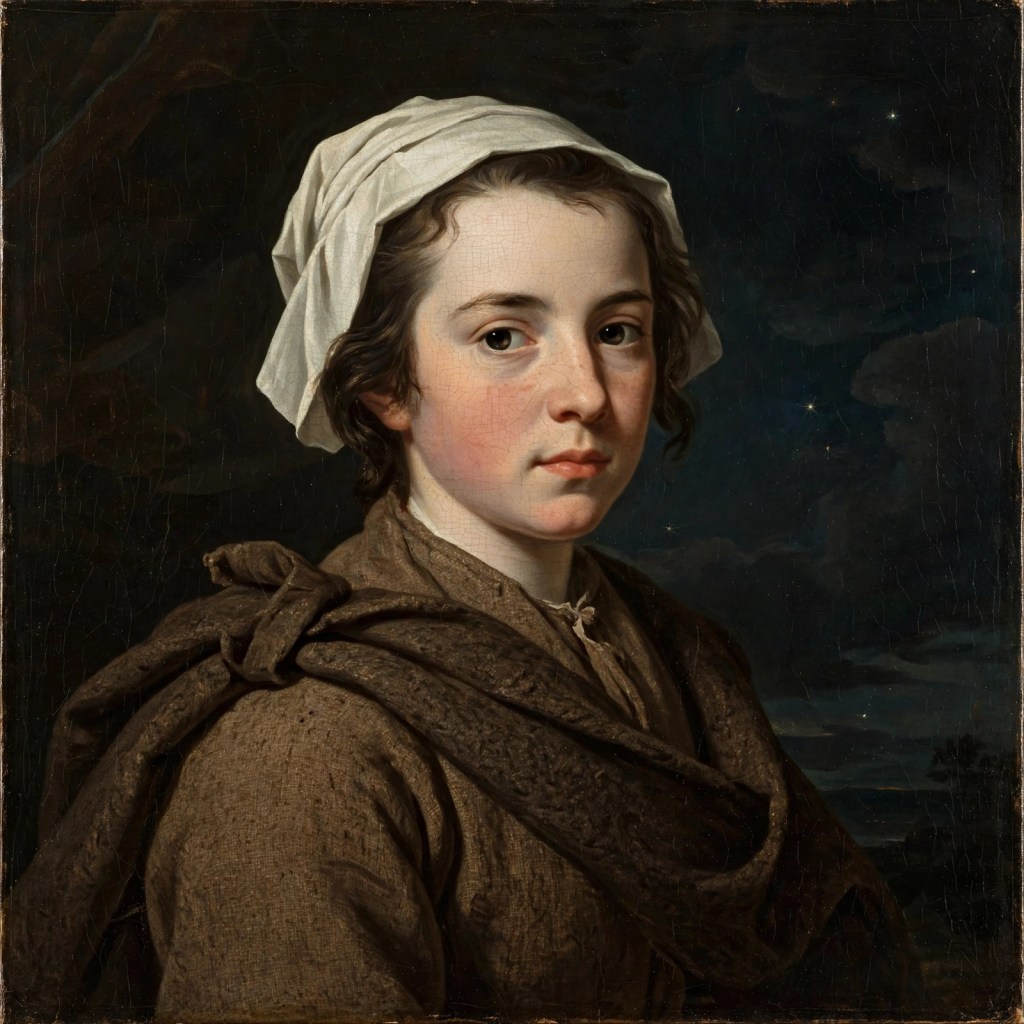
    Mary “Polly” Slocumb — born February 11, 1760 in Bertie County; died March 1836 in Wayne County, NC. 🇺🇸

    The story goes that in 1776, 16-year-old Polly heard cannon fire, rode 65 miles through the night to Moore’s Creek, and spent the next day nursing the wounded. Historians now doubt the ride — records say her husband wasn’t even at the battle. But the 1907 Women’s Monument at the battlefield still honors her as the “most honored” of the Lower Cape Fear heroines. Some legends outlive the facts because of what they say about who we were.

    #America250 #WomenOfTheRevolution #RevolutionaryWar #MooresCreek #NCHistory #CarolinaAfterDeadline

  • Special Olympics Fall Games: More than 900 athletes headed to the Grand Strand

    Special Olympics Fall Games: More than 900 athletes headed to the Grand Strand

    🔥 More than 900 athletes are headed to the Grand Strand this weekend for the Special Olympics South Carolina State Fall Games, Friday, Oct. 30 through Sunday, Nov. 1.

    The opening ceremony is Friday at 7:30 PM at the Myrtle Beach Convention Center, preceded by the Law Enforcement Torch Run. Saturday competition runs at the Myrtle Beach Bowling Center, Splinter City Disc Golf, John T. Rhodes Sports Center, and Conway Sports & Fitness Center, with a victory celebration Saturday evening.

    Sports include bowling, bocce, disc golf, flag football, soccer, and volleyball — traditional and Unified. It’s free to watch, and volunteers can sign up at so-sc.org.

  • “Lessons From History” #8: Venezuela

    “Lessons From History” #8: Venezuela

    “Lessons From History” #8: Venezuela

    THE SHORT VERSION: Venezuela sat on the largest proven oil reserves on earth and was once among the richest countries in Latin America. Then it chose socialism — and in one generation, an oil-rich nation ended up with empty shelves, worthless money, and millions of its people fleeing on foot.

    NOW THE FULL STORY:

    In 1998, Hugo Chávez was elected president promising to fix inequality and spread the oil wealth. At first, high oil prices paid for generous social programs, and poverty fell. But the system underneath was being rebuilt: the state took majority control of the oil industry, nationalized steel, cement, telecom, and farms, and imposed price controls and currency controls.

    The results followed the same pattern as every other installment in this series. State-run companies were put in loyal hands, not expert ones, and oil production — the country’s lifeblood — began to fall. Price controls meant shops could not sell goods for what they cost to make, so shelves emptied. To pay the bills, the government printed money.

    Chávez died in 2013, and Nicolás Maduro tightened the same policies. By 2018 the International Monetary Fund projected inflation of 1,000,000 percent for the year — money losing its value so fast that a month’s wages could barely buy a meal. Food and medicine ran short, hospitals struggled, and power and water faltered. The United Nations counted 3 million Venezuelans fled by late 2018, most to Colombia and Peru; millions more have left since.

    THE LESSON: Venezuela did not fail for lack of resources. It had more oil than Saudi Arabia. It failed because the state took over the economy that produced the wealth, spent it, and then printed money when the wealth ran out. No country is too rich to ruin — it only takes a system that punishes production and rewards loyalty.

    Tomorrow: the Berlin Wall — the wall built to keep people in, and the night it came down.

    #LessonsFromHistory #CarolinaAfterDeadline

  • UPDATE: Quantico Iwo Jima monument suspect granted bond, but ICE detainer may keep him in custody

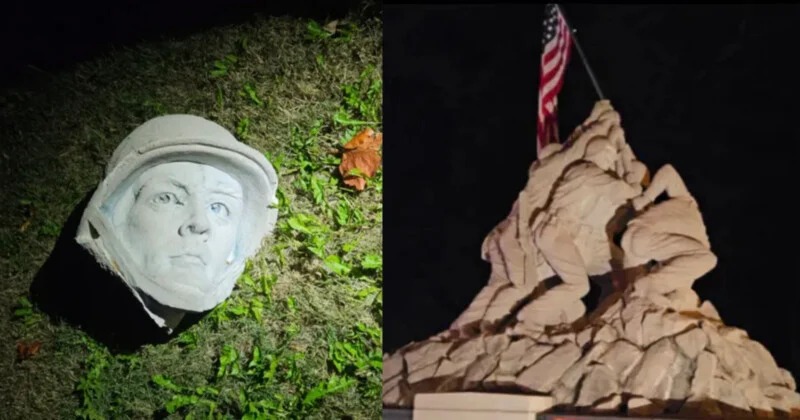
    🇺🇸 UPDATE: The man accused of taking a sledgehammer to the Iwo Jima monument at Quantico was granted bond Monday — but he may not walk free.

    Prince William Circuit Court Chief Judge Petula Metzler granted Miguel Alonso Maldonado Soriano, 27, of Stafford, a $2,500 secured bond, over the Commonwealth’s objection. If released, he must wear a GPS monitor, undergo alcohol and drug testing, remain in Virginia, and complete a mental health evaluation.

    But ICE has lodged a detainer — so if he posts bond, federal immigration agents will likely pick him up instead.

    A detective testified Monday that Soriano showed signs of mental health issues. Prosecutors said he targeted the monument because he applied to the Marines but was denied because he is in the country illegally. DHS says he entered illegally in 1999; his DACA status, granted in 2014, has since expired.

    His preliminary hearing is set for Jan. 11, 2027. Damage to the monument is estimated in the hundreds of thousands of dollars.

    Photos: Prince William County Police Department; U.S. Department of Homeland Security.

  • “Lessons From History” #7: Cuba

    “Lessons From History” #7: Cuba

    “Lessons From History” #7: Cuba

    THE SHORT VERSION: Cuba was once the playground of the Caribbean — rich, beautiful, ninety miles from Florida. Its revolution promised freedom from a dictator. Instead it built a one-party state that has lasted more than sixty-five years — and its people are still risking their lives to leave.

    NOW THE FULL STORY:

    On January 1, 1959, dictator Fulgencio Batista fled Cuba, and Fidel Castro’s rebels took power. Many Cubans cheered: the revolution promised democracy, land, and an end to corruption.

    The democracy never came. The state took over the farms, factories, banks, and newspapers. Private property was effectively abolished, elections were never held, and dissenters were jailed or driven into exile. One party, one leader, one official story.

    Twice in the early 1960s the island nearly dragged the world into war. In April 1961, a CIA-backed exile force landed at the Bay of Pigs and was defeated in days. In October 1962, Soviet nuclear missiles in Cuba brought the United States and the Soviet Union to the brink of nuclear war before Moscow withdrew them.

    The economy followed the same pattern as every other installment in this series: state control, shortages, and rationing. In 1980, Castro opened the port of Mariel, and about 125,000 Cubans fled to Florida in a matter of months. When the Soviet Union collapsed in 1991, Cuba lost its chief sponsor overnight, and the “Special Period” that followed brought blackouts, hunger, and hardship — yet the regime held on, propped up by tourism and a small, tightly controlled private sector.

    More than six decades after the revolution, the pattern has not changed. Cubans still leave by raft and by any route they can find, families are still split between the island and Florida, and the government still decides what its people may say, own, and read.

    THE LESSON: Cuba is the warning closest to home. A revolution that promised to free people from a dictator froze them under a system instead. Paradise is not a place. It is what free people build.

    Tomorrow: Venezuela — the oil-rich country that had everything, and lost it anyway.

    #LessonsFromHistory #CarolinaAfterDeadline

  • Heads up, Brunswick and New Hanover neighbors: the emergency planning zones around the Brunswick Nuclear Plant are changing on Monday, Nov. 2

    Heads up, Brunswick and New Hanover neighbors: the emergency planning zones around the Brunswick Nuclear Plant are changing on Monday, Nov. 2

    ☢️ Heads up, Brunswick and New Hanover neighbors: the emergency planning zones around the Brunswick Nuclear Plant are changing on Monday, Nov. 2.

    The zone itself isn’t growing — it’s still about 10 miles around the Southport plant — but the map is being redrawn from 13 zones to 20, with boundaries shifting. The reason: population changes, new development, and road capacity over the past two years.

    What to do: starting Nov. 2, check your address at duke-energy.com/NuclearEP to see your new zone. Postcards are going out in early November to properties within 10 miles. Questions? Brunswick County Emergency Management: 910-253-5383.

    Know your zone before you need it.

  • Halloween week is here — here’s where to go

    Halloween week is here — here’s where to go

    🎃 Halloween week is here — here’s where to go:

    • Wed, Oct. 28: Seaside United Methodist Church, Sunset Beach, 5–8 p.m. (1300 Seaside Rd SW)
    • Wed, Oct. 28: First Baptist Church of Shallotte, 5:30–8:30 p.m. (4486 Main St)
    • Thu, Oct. 29: Brunswick County Fall Festival, Government Complex in Bolivia, 6–9 p.m.
    • Fri, Oct. 30: Ocean Isle Beach Trunk or Treat, Town Center Park, 5–6:30 p.m.
    • Sat, Oct. 31: Sea Breeze Harley-Davidson, Shallotte, 11 a.m.–3 p.m. (100 Harley-Davidson Dr)

    Pick a night, bring the kids, and have a safe one.

  • Three months before he retired, his manager asked whether he could leave sooner.

    Three months before he retired, his manager asked whether he could leave sooner.

    Three months before he retired, his manager asked whether he could leave sooner.

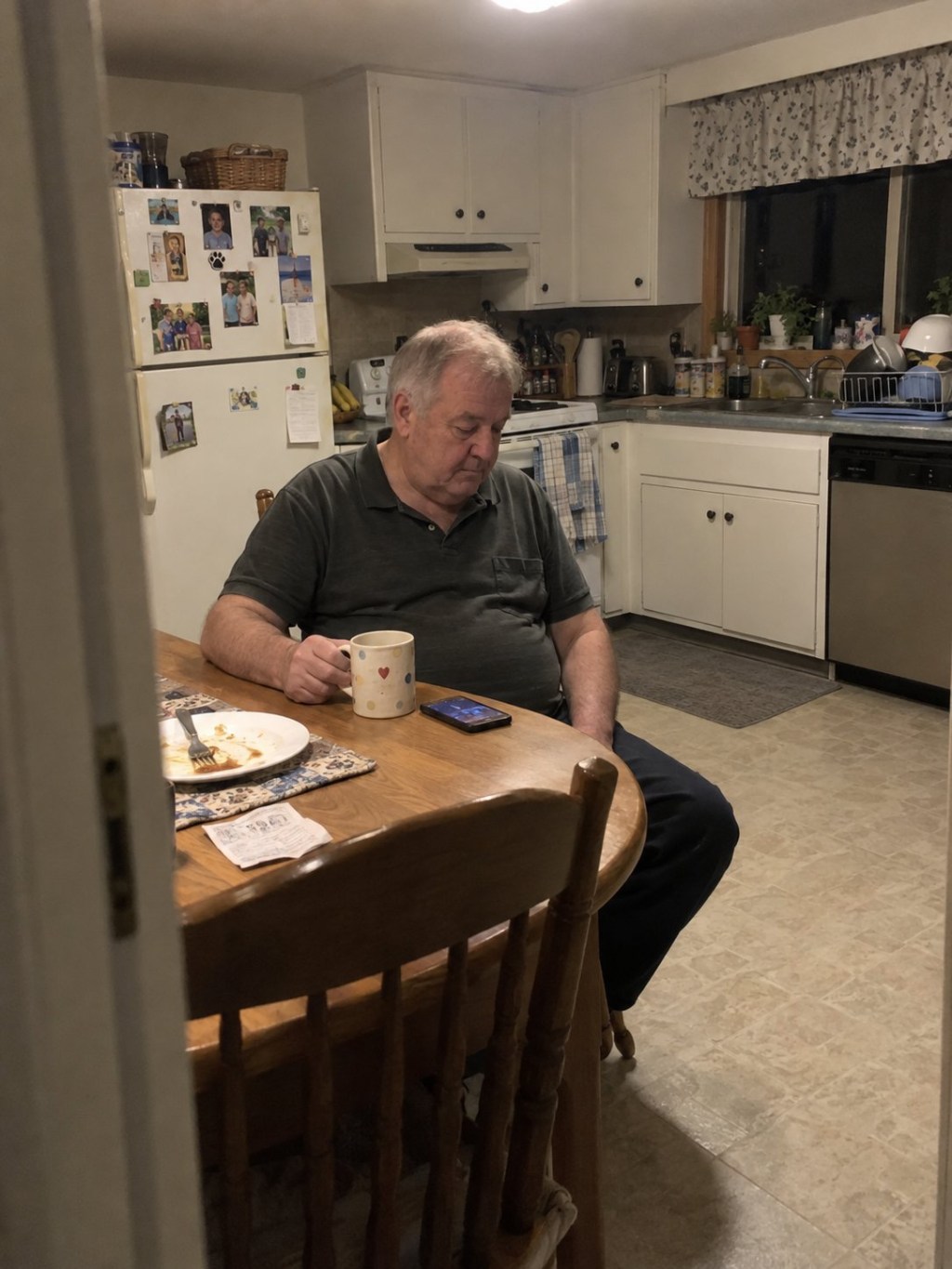
    He’d worked there for twenty-nine years. He started when the warehouse had no heating. By the time he left, machines did most of the lifting — and he trained the people who kept them running. Along the way he missed birthdays, changed vacations, and answered calls halfway through Sunday dinner. The morning his wife went into labor, he worked half a shift before going to the hospital.

    He used to tell that story proudly.

    When he gave notice, the last months felt strange. He was still called over whenever something stopped working, but no longer invited to the meetings about it. One afternoon he overheard his manager tell his replacement that his retirement would finally take a big expense off the department’s budget. He stayed late that evening anyway, finishing his troubleshooting notes — he didn’t want the young man stuck on his own.

    On his final day, HR sent a checklist: access card, locker key, company jacket. By the time he’d returned everything, his manager had already left. No gathering. A few people said “enjoy yourself” as he passed.

    In the break room, he took his old mug from the cupboard. A new employee looked up: “You’re not supposed to take things from here.” Jack turned it over and showed him his name underneath. His daughter had painted it in elementary school — uneven dots, a little red heart near the handle.

    At home, his wife washed it, made him coffee, and put it beside him on the kitchen table. After dinner, he opened his calendar. Next week was empty. He asked if she wanted to go somewhere Tuesday — she already had plans, lunch with a friend, then a class she’d been attending for months. She wasn’t shutting him out. She’d spent years finding things to do while he was at work. The children had grown up and moved away.

    He picked up his phone to call his daughter, then checked the time where she lived. She’d still be at work. He put the phone beside the mug.

    He could wait. She’d waited for him often enough.

    I hear this kind of story so often, and it is so sad that we give so much of our life to a job, and this is how it ends. I hope it will be a lesson for many who are in careers and not living with the right priorities.

    Faith, family, community — then job. The job will move on without you. They won’t.

  • Golf carts are everywhere in our beach towns — but what’s actually street-legal, and where?

    Golf carts are everywhere in our beach towns — but what’s actually street-legal, and where?

    🛒 Golf carts are everywhere in our beach towns — but what’s actually street-legal, and where?

    A new feature walks through the low-speed vehicle rules, and the distinction matters: under North Carolina law, a registered low-speed vehicle — with the required equipment, registration, insurance, and a licensed driver — can run on roads posted 35 mph or less. An ordinary unregistered golf cart is not a street-legal LSV.

    Oak Island just set a new 35 mph limit effective Oct. 20 on East Oak Island Drive between East 19th and East 38th Streets — and LSVs are still prohibited there. Other beach towns are taking different approaches: Panama City Beach has restrictions, Kiawah Island reaffirmed its ban in 2026, and Bluffton set new rules in January 2026 covering seat belts, licensed drivers, registration, insurance, and roadway restrictions.

    It’s the same question facing our Brunswick beach towns: how do you keep the carts rolling safely without letting them take over the road?

Our Sponsors

Your business here — become a sponsor

Your business here — become a sponsor

Your business here — become a sponsor